



PLANNING for the next stages of Brisbane Metro is well advanced with future extensions to be delivered progressively as detailed planning is completed and funding is secured, says Brisbane City Council.
Work on potential Brisbane Metro expansions has been underway for more than a year, including route investigations, depot planning and engagement with industry and other levels of government.
The State’s Brisbane 2032 delivery plan already identifies future northern and eastern Metro corridors as part of Brisbane’s long-term transport network.
A formal business case process is continuing and will help inform decisions under the State’s Olympic Transport Plan, providing options based on projected demand and confirmed venue locations.

Some expansion options, including a potential Springwood extension, may progress sooner, while others are designed to support Brisbane’s growth well beyond the Olympic and Paralympic Games.
Capalaba MP Russell Field previously told this publication his priority was delivering the Old Cleveland Road corridor bus priority solutions outlined in the 2032 Games Delivery Plan.
However, when asked what a “bus priority corridor” would deliver — and what it would look like in practice — a spokesperson for Mr Field offered limited detail, saying only that upgrades to Old Cleveland Road would form part of the corridor.
The spokesperson said no further information could be provided at this stage, noting Mr Field would prefer to wait until plans were finalised before commenting on the design or scope of the project.
The expansion outlook comes as Brisbane Metro marks its first anniversary, having delivered more than 6.8 million trips in its first year and helped drive a 27 per cent increase in bus patronage across Brisbane over two years.
The introduction of permanent Brisbane Metro services has been described as the biggest evolution of the city’s bus network in decades, adding more than 30 million seats each year and significantly improving reliability and travel times.
Before permanent services began, the introduction of 50-cent fares drove a 16 per cent lift in bus patronage, with trips rising from 32.7 million to more than 38 million over the August-to-January period.
One year later, the launch of permanent Metro services alongside Brisbane’s New Bus Network delivered a further near 10 per cent increase, with more than 41.5 million trips recorded.
Lord Mayor Adrian Schrinner said the first year of Metro services had already changed how the city moved.
“It’s been just one year since we introduced our first permanent Brisbane Metro service and it’s already changed how our city moves,” he said.
“Metro bus rapid transit is the leap our city needed to move from traditional public transport to mass transit so we can keep Brisbane moving as we grow.”
RACQ General Manager of Advocacy Joshua Cooney said the early success of Brisbane Metro highlighted the need for a broader rollout across South East Queensland.
“The Brisbane Metro has been successful for the River City and it’s time to plan a full expansion to the Metro network across South East Queensland,” he said.
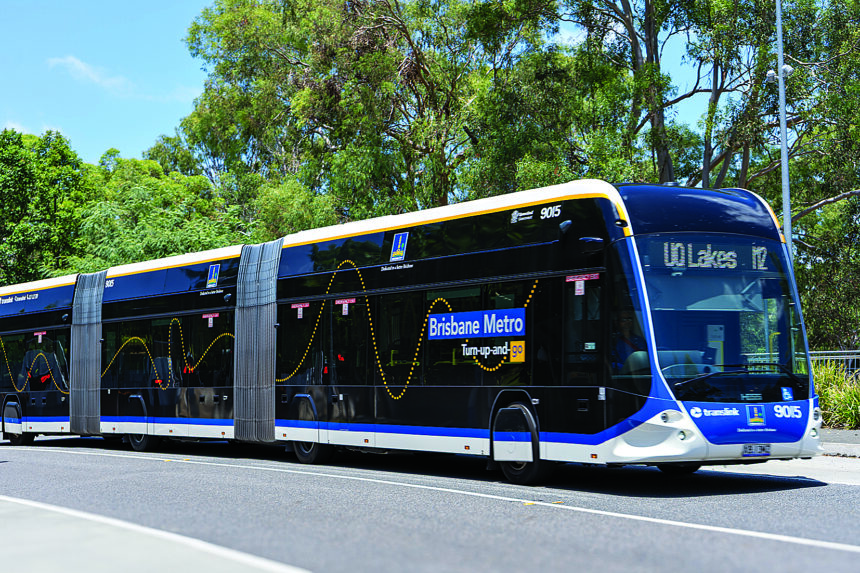
Each fully electric Metro vehicle is 24.4 metres long, can carry up to 170 passengers and is named after something unique to Brisbane.
The fleet is housed at Australia’s largest electric bus depot at Rochedale, featuring extensive charging infrastructure and more than 2300 solar panels, generating enough clean energy to power about 280 homes each year.
The June 2025 rollout of Brisbane’s New Bus Network has further strengthened public transport, delivering 160,000 new bus trips, faster journeys for more than 45 million people, 44 additional bus stops and 1.4 million extra kilometres of services across the network.