

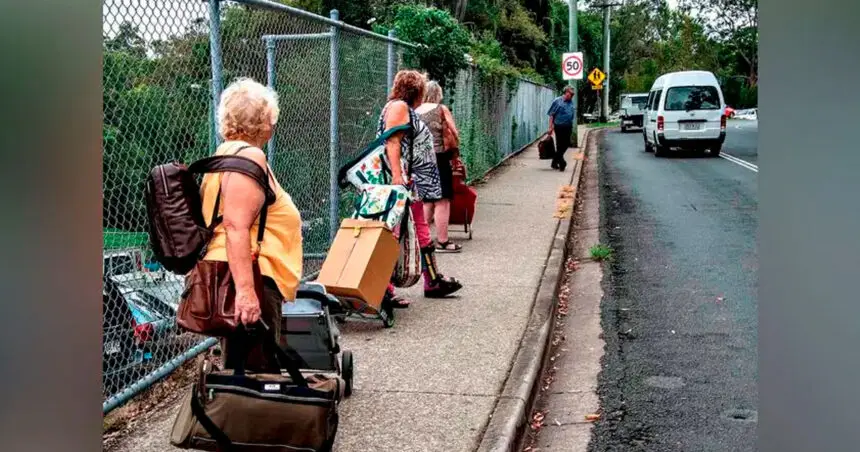
MACLEAY Island residents are calling for more detail on accessible transport plans, saying a stakeholder process flagged in May has yet to produce publicly announced options or community consultation.
Macleay Island Transport Advocacy principal petitioner Melanie Lynch said State Member for Redlands Rebecca Young advised in a May 12 email that a working group of about 10 representatives would be established by the end of June to progress accessible transport solutions for the Southern Moreton Bay Islands.
Ms Lynch said residents were still waiting to hear who had been involved, what funding was available, which options had been considered and when consultation would occur.
“Four months later, residents still do not know who was involved, what was considered or what solution is being proposed,” she said.

Mrs Young said the discussions followed the Transport Minister’s response to the group’s parliamentary petition and were intended to identify practical options, rather than operate as a formal committee.
“Macleay Island has a very different transport profile to a typical mainland suburb, and any transport solution needs to reflect that,” Mrs Young said.
“The stakeholder group has met on several occasions and is separate from the Redlands Road Advisory Committee.”
She said the informal discussions involved transport, accessibility and community service stakeholders, including providers already operating across the Southern Moreton Bay Islands.
“The purpose has been to understand what services are already available, where genuine gaps remain and identify options that could better meet the needs of Macleay Island residents,” Mrs Young said.
Mrs Young’s office advised in June that the group had met twice, but that no public minutes were being produced because it was informal.
Ms Lynch said she had sought details about its membership, authority, meeting dates and whether it included people with disability, seniors, carers or community advocates.
The advocacy group has pushed for improved island transport through two parliamentary petitions supported by 2091 signatories.
Ms Lynch said transport remained an urgent issue for residents unable to safely travel from their homes to the Macleay Island ferry terminal, particularly seniors, people with disability and those with chronic illness.
She said she approached STAR Community Services for help travelling between her home and the ferry and was advised there was one vehicle servicing the island and an approximate two-month wait.
STAR said it was reviewing how that advice arose, stating the information reported was incorrect.
The provider said vehicles did not reflect the number of people it could assist, with services scheduled according to assessed need, demand and capacity. It can also arrange transport through contracted taxis and private operators.
“STAR understands the community’s frustration and agrees that residents need a practical, reliable and accessible transport solution,” the organisation said.
However, it stressed its role was as a community transport provider, with responsibility for public transport resting with the State Government.
Mrs Young said improved coordination between providers could help establish the demand needed to support a viable transport service without duplicating existing assistance.
“Bringing that information together can help establish the critical mass needed to support a viable and well-used community transport service,” she said.
She said a fixed-route bus may not meet the needs of residents spread across the island, including those needing to reach ferries, medical appointments, shops and essential services.
STAR said access depended on the relevant funding stream, including My Aged Care, NDIS support, government-funded community transport programs, approved aged-care arrangements or private-pay services.
Private-paying passengers must first register as STAR clients, with the provider unable to operate a “hail and ride” service.
Mrs Young said the Queensland Government’s Community Transport Program was not limited to NDIS or Home Care Package recipients, with eligibility also recognising people unable to access other transport options.
“No final service model has been determined because I want to make sure any option is accessible, practical and suited to the people who would rely on it most,” she said.
“I understand residents want clarity about what happens next.
“As this work progresses, I will continue to keep the Macleay Island community informed and provide opportunities for residents and community groups to have their say.”