



By Penelope Woods, MAudSt, MAudA (CCP), BMus, is a Masters Qualified Independent Audiologist and Hearing Health Advocate serving the Redlands Community.
Hello, Redlands readers! Today, let’s discuss an important question: “Which hearing symptoms or conditions could lead to long-term cognitive decline?”
As an audiologist committed to adult hearing rehabilitation, I studied the literature on the critical link between hearing health and cognitive vitality.
Research has shown that hearing loss is the largest modifiable risk factor for dementia. Hearing loss leads to ‘sensory deprivation,’ a condition where the absence of sound signals causes changes in how cells are arranged in various parts of the brain, increasing dementia risk. Additionally, hearing loss frequently coincides with reduced social engagement, loneliness, and depression, all of which negatively impact cognitive health. This creates a cycle where hearing loss exacerbates cognitive decline, leading to further isolation and mental health challenges.

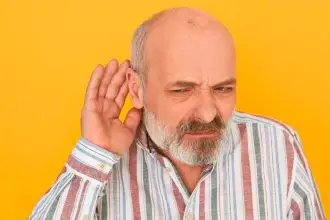
So, what symptoms or conditions indicate a higher risk of cognitive decline? Key indicators include difficulty understanding speech, especially in noisy environments, signalling potential central processing challenges linked to cognitive decline. Other red flags are increased loneliness, withdrawal from social activities, and depression symptoms.
Fortunately, addressing hearing loss can significantly mitigate these risks. Modern hearing aids and auditory support systems do more than amplify sound—they enhance speech clarity and reduce cognitive strain, slowing cognitive decline and improving brain health, but only when properly set up and supported by a highly trained audiologist who prioritises patient-centred care.
If you notice hearing changes or these symptoms resonate with you, consider consulting a reputable audiologist. Prioritising hearing care is not only about improving auditory health but also safeguarding your cognitive functions.
It’s not just about hearing better – it’s about living a fuller, more connected life. Take action today to keep your mind as active and engaged as your conversations. Here’s to good hearing and better cognitive health!