



By Penelope Woods, MAudSt, MAudA (CCP), BMus, is a Masters Qualified Independent Audiologist and Hearing Health Advocate serving the Redlands Community.
Recently, a gentleman who had transferred his hearing care to us told me he’d given up on hearing aids altogether.
“They just don’t work for me,” he said, and went on to list a range of common complaints.
But as we spoke, something didn’t add up. His hearing loss wasn’t unusual, and the devices he’d been fitted with were perfectly capable.

So what went wrong? And why is this problem so common?
Many people are sold hearing aids without being properly fitted or followed up. I see many cases where the problem isn’t the device – it’s the process.
Without individualised programming, adjustment, and counselling over time, even the best hearing aids can disappoint.
When this happens, people blame the clinic, the technology, themselves – or worse, they just give up.
The truth is, hearing aids aren’t one-size-fits-all, and they aren’t a “set and forget” solution.
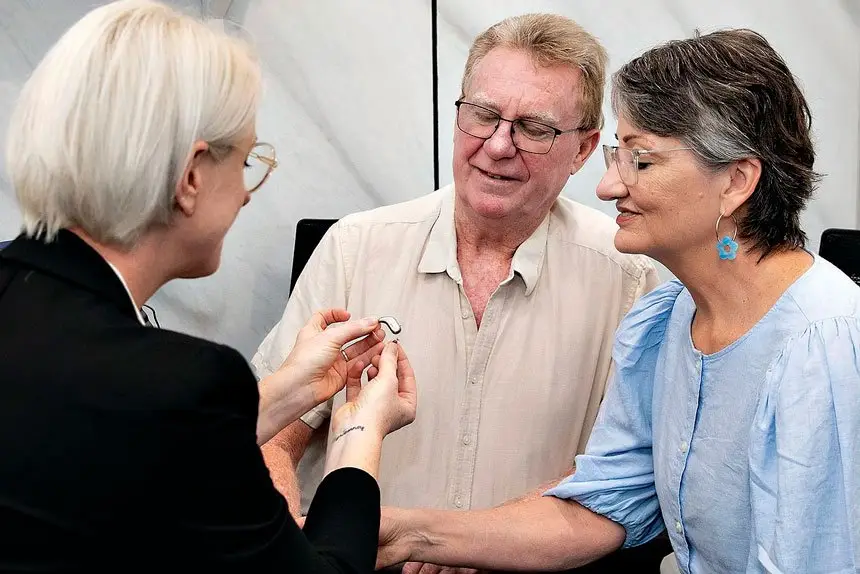
They need to be matched to your hearing, your lifestyle and your goals. This happens through ongoing rehabilitation, as your brain and body adapt to the noisy world again. Most importantly, they need to be fine-tuned in partnership with someone who listens.
I’ve spoken with many people who felt like passengers in their original fitting – present but not actively involved. The result was often disappointment, and in some cases, a gradual retreat from social life.
Best-practice hearing care involves more than a quick test and a transaction. It takes time, and patient involvement.
We measure how you hear in noise, how your brain responds to sound, and what matters most to you – whether that’s keeping up in busy restaurants or catching the accents on the TV.
That kind of care helps protect against isolation and cognitive decline, and it gives people confidence again.
So, if you’ve tried hearing aids and felt let down, don’t write them off.
Seek a second opinion – the right approach can make all the difference.