
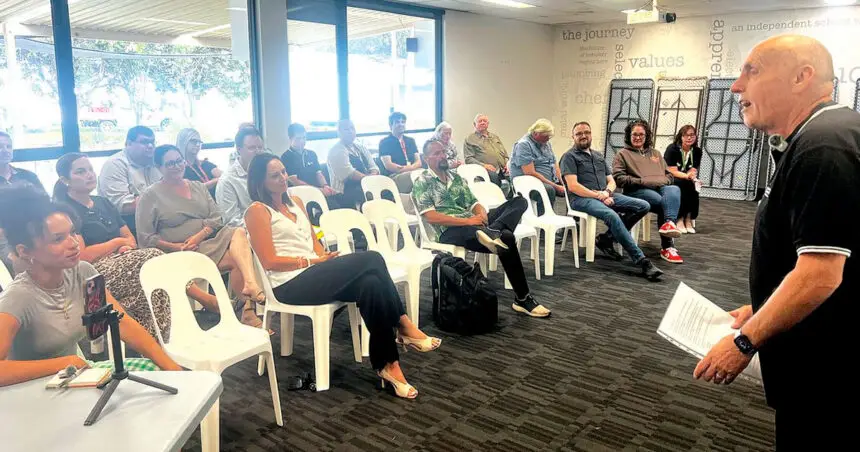
With 12 candidates vying to become new mayor, voters face crucial choice
THE Redland mayoral by-election has produced what campaigns are designed to produce.
Bold promises, ambitious plans and candidates assuring voters change is possible.
But voters also deserve clarity about the limits of the office they are being asked to fill.

A mayor is the city’s most visible political leader, its chief advocate and often its public voice in times of need.
A capable mayor can set priorities, bring people together, argue for funding and build confidence in Redlands’ future
Redland voters will elect one mayor on December 12, not a mayoral government.
With the next full Council election on the horizon, the incoming mayor will have limited time to turn campaign commitments into outcomes.
The 10 other councillors retain their own mandates
In most cases, a mayor needs majority support in the chamber to turn a campaign pledge into a Council decision.
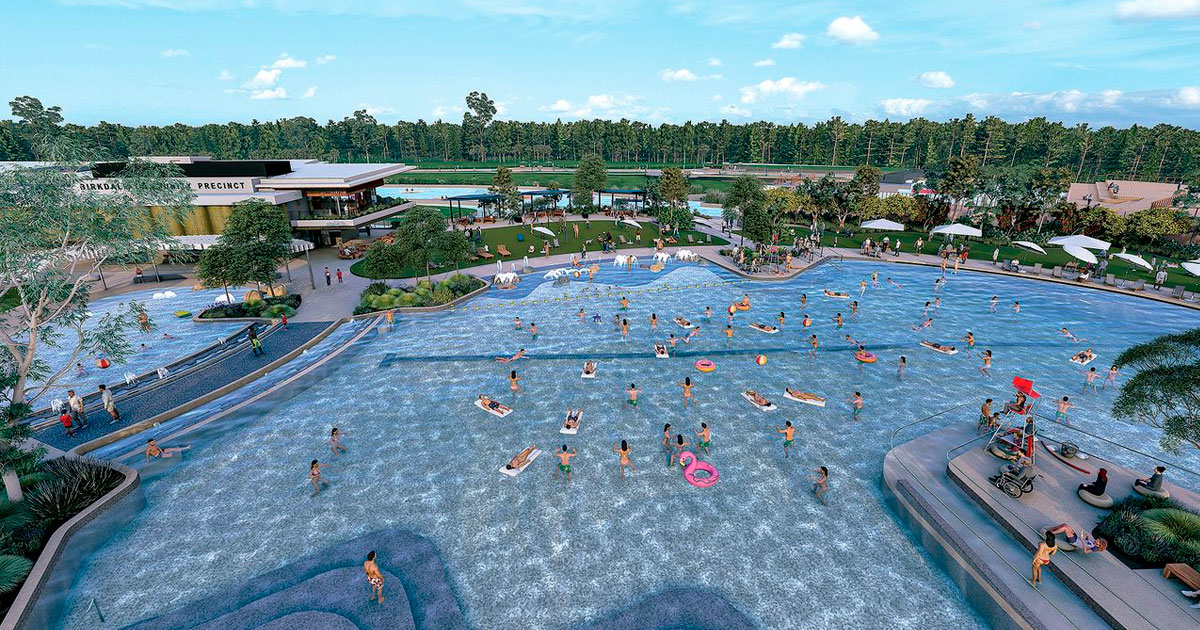
A mayor can propose a $200 rates rebate, restored free green waste disposal or the scrapping of the whitewater centre.
That last issue has attracted the sort of claims voters should examine closely.
During the campaign, some have suggested the whitewater centre could cost $250 million.
But no publicly released costing has put the centre anywhere near that figure.
The only published, costed business case is the Deloitte Access Economics report of December 20, 2019, commissioned by Redland City Council and later released through its RTI disclosure log.
In 2019 dollars, Deloitte estimated a standalone whitewater facility at $30.8 million, or an integrated adventure sports precinct at $68.7 million.
At full demand, it projected $4.1 million in annual revenue against $2.4 million in operating costs – an indicative annual operating surplus of about $1.7 million.
Those figures are not a current price tag. Costs will have changed so a detailed and transparent estimate is needed.
But those caveats are not a licence to replace the evidence with a $250 million claim without showing its source, assumptions and calculations.
Candidates can advocate for their preferred outcomes and put plans before councillors.
But they cannot simply announce a policy and make it happen before Christmas.
There is no cost-free Council service.
Voters should ask not only whether they like a promise, but what it will cost over one year, four years and a decade.
Rushed decisions may make campaign headlines.They rarely make sound local government.
The limits are even clearer when candidates venture into areas controlled by others.
A mayor can be a powerful advocate for Brisbane Metro to Capalaba, a passenger ferry service, road upgrades and better island connections.
But those projects depend on State and Federal governments, agencies, funding decisions and often lengthy planning and environmental processes.
Likewise, no mayor can unilaterally terminate contracts, overturn previous Council decisions or halt a major project simply because it makes for an attractive campaign line.
They can seek a review, build a case and persuade councillors, ministers and the public.
But they cannot do it alone
Voters should also consider the record of candidates who have already held elected office.
What they delivered, what they supported and what they failed to achieve.
For candidates without that record, a clear understanding of how Council works – and what a mayor can and cannot control – is an equally important test.
The strongest candidates will do more than tell voters what they want to achieve.
They will explain the route from campaign pledge to Council resolution.
Redlands needs a mayor with optimism, vision and the confidence to promote the city, attract investment, advocate for infrastructure and restore trust.
But leadership in a council chamber is persuasion, not proclamation.
The best candidate will know how to build a majority, find the funding, present the facts and bring other people to the table.
Voters should not reject ambition. But they should demand that ambition comes with a credible plan.
A bold promise may win a quick headline.
A mayor who can win the votes, fund the proposal and deliver the outcome will earn something far more valuable: public confidence.