
By Isaac Olson, Nursery Near Me
A plant in the ground has cool soil around its roots.
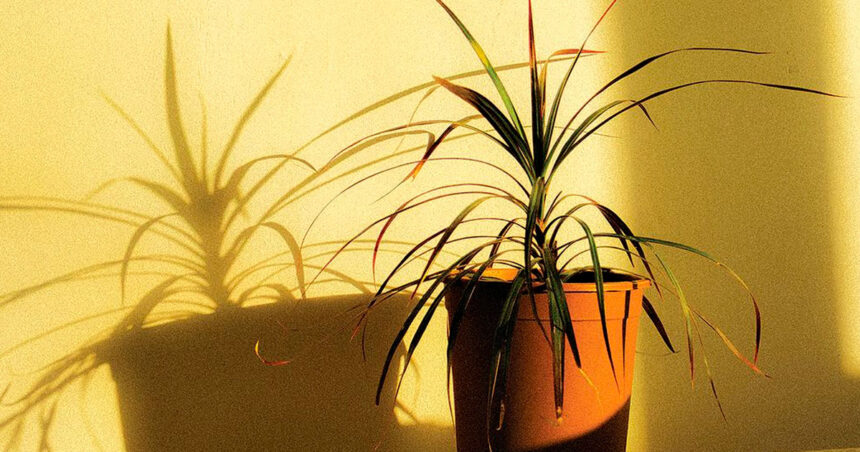
A plant in a pot can have a few centimetres of potting mix and a wall that sits in the sun all afternoon.
That is why pots are the first thing to suffer in a South East Queensland summer, and why an hour spent on them now saves a lot of plants in January.

Start with where they sit. Morning sun and afternoon shade suits most potted plants, so move what you can to the eastern side of the house or under a tree.
Group the pots together, because a cluster shades itself and holds a little humidity. Lift them off hot pavers and concrete with pot feet or a couple of bricks, which also lets them drain after a storm.
Next, look at the pots themselves. Small pots dry out in hours, and black plastic gets hot enough to cook the roots on the sunny side.
If a plant has filled its pot and the water runs straight through, move it up a size into fresh premium potting mix. Light coloured and thick walled pots stay cooler. A plain plastic pot slipped inside a larger decorative one is cooler again.
Then change how you water. Water early in the morning and keep going until it runs out of the bottom.
If the mix has shrunk away from the sides, sit the whole pot in a tub of water for half an hour so it wets right through. A layer of mulch on top of the mix slows the drying.
Saucers are handy in a heatwave, but empty them in wet weather so the roots do not sit in water and the mosquitoes do not breed.
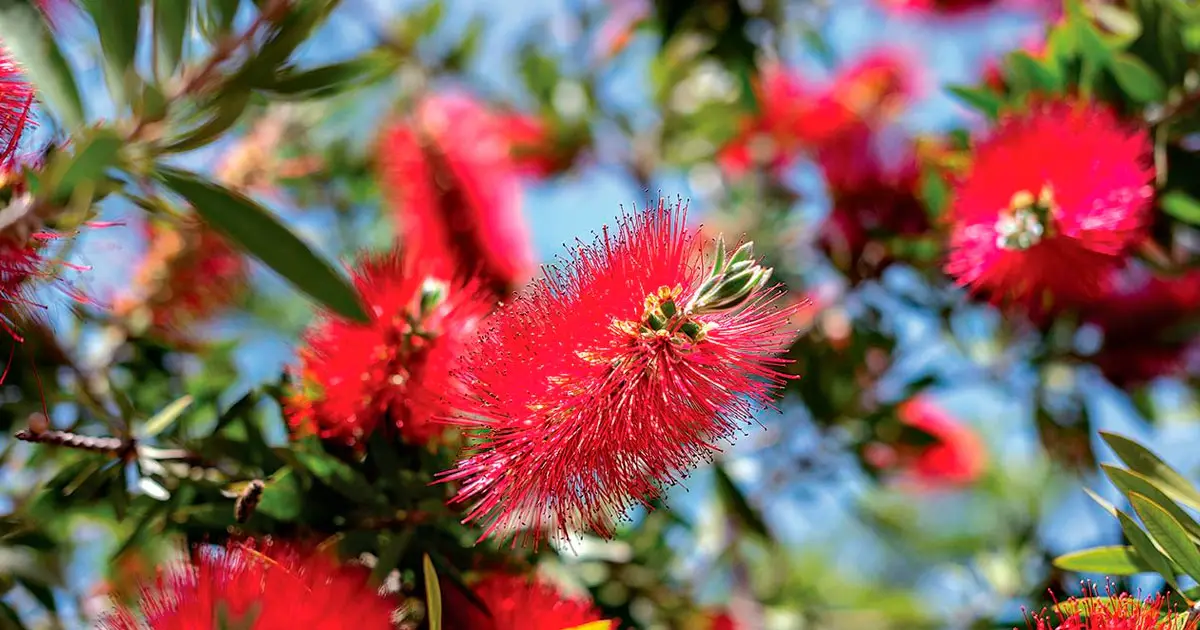
Finally, be realistic about what will cope. Bougainvillea, frangipani, succulents, dwarf bottlebrush, lomandra and citrus all handle a hot pot in full sun. Ferns, hydrangeas and most indoor plants want shade and more water.
– Isaac Olson is a director of Nursery Near Me, an Australian online nursery that delivers to Ipswich, Logan and the Redlands, at nurserynearme.com.au.