

By Penelope Woods, MAudSt, MAudA (CCP), BMus, is a Masters Qualified independent audiologist and hearing health advocate serving the Redlands Community.
IT can feel like a win – saving a few dollars on hearing aids that look and feel just like the name brands.
But as someone who sees the outcomes firsthand, I’d gently encourage a moment of pause. Private-label, or “white-label”, hearing aids may seem like good value at first, but they often come with hidden risks that only become clear later –often at a time of stress or inconvenience.
These devices are often manufactured by well-known hearing aid brands that invest heavily in research and development to ensure their products perform precisely as intended.

But once repackaged, relabelled, and modified for exclusive sale through large retail chains, those same devices may be altered in ways that affect both their specifications and your freedom of choice.
The catch? Relabelling can limit your ability to access impartial and independent clinical care. If you move house, seek a second opinion, or simply wish to change clinics, an audiologist outside that chain may face real challenges accessing or adjusting your hearing aid’s software.
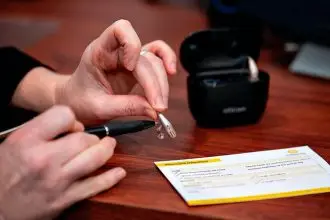
It’s not uncommon for patients to transfer to a new clinic, only to find that the provider must first identify the device from scratch, request third-party programming software, and then wait – sometimes days – before any meaningful support can be provided. When so much of a hearing aid’s performance depends on best-practice adjustments by an audiologist, those delays can make a real difference.
The lack of transparency is especially concerning. Informed choice has long been an issue in hearing care, and now clients may not even be aware that their hearing aid is a private-label product.
These devices often don’t appear in manufacturer marketing, reviews, or comparison tools, making it difficult to assess the value of their altered feature sets against other available options.
In a healthcare landscape where informed decision-making and clinical credibility are critical, this creates a significant blind spot for the consumer.
There are also practical implications for pensioners receiving support through the Hearing Services Program. If one hearing aid from a pair is lost or damaged, government rules require a like-for-like replacement – which may only be available from the original provider.
I’ve seen cases where the wholesale cost of a replacement, charged through the chain store, was actually higher than the original retail price.
This happens because private-label discounts often don’t apply outside the retailer that originally supplied the device. In communities like the Redlands, where continuity of care, trust, and local relationships matter, that doesn’t sit well with many.
Best-practice hearing care is about more than just supplying devices. It’s built on clinical integrity, ongoing support, and personalised solutions that give you the best chance to hear as well as possible, wherever life takes you.
At A Better Ear, we believe in complete transparency. We only fit devices from established manufacturers and take the time to explain the brand, model, and how it compares to other options on the market.