
By Amanda Ariotti, MAudSt, AAudA (CCP), BBiomedSc. Amanda is a master’s qualified independent audiologist specialising in hearing rehabilitation in the Redlands Community.
Have you ever stopped to marvel at the sounds around you – birds chirping, a loved one’s laughter, or the distant crash of the surf?
These everyday moments rely on the incredible range of human hearing, but what exactly is “normal hearing”? And how do you know if you have it?
Let’s explore this fascinating topic with some real-life examples to help you understand your own hearing experience.

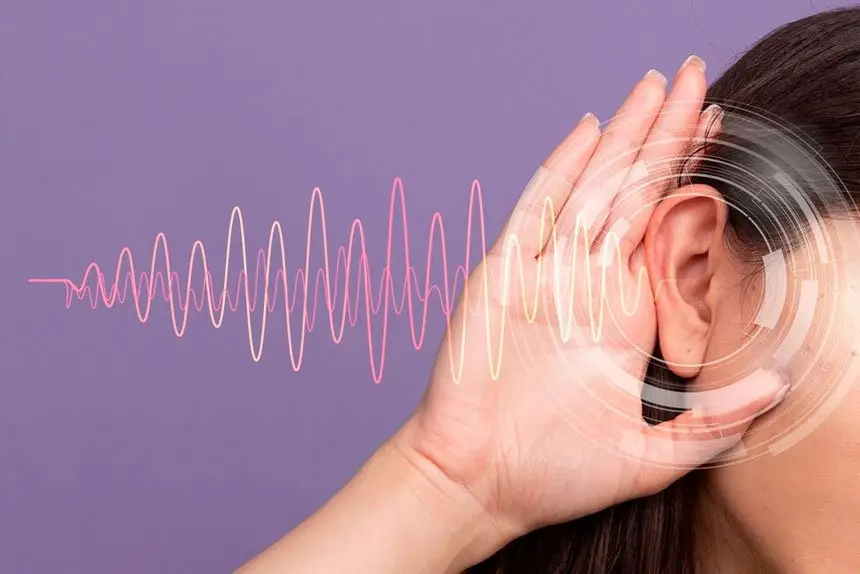
The average human ear can detect frequencies between 20 Hz and 20,000 Hz. At the lower end of this range are deep, rumbling sounds like the vibrations of a passing truck or a bass drumbeat that you can feel in your chest.
At the upper end are high-pitched tones like a bird’s song or the faint whine of electronics.
But hearing isn’t just about pitch – it’s also about how loud or soft a sound is, measured in decibels (dB). For instance, a whisper registers around 30 dB, while a normal conversation is about 60 dB, while an ambulance is around 125 dB.
Hearing varies greatly from person to person, influenced by factors like age, genetics, and exposure to loud noises.
As we grow older, our ability to hear higher frequencies often diminishes – a natural part of ageing.
For example, you might notice difficulty understanding soft-spoken speech or hearing high-pitched sounds like the car indicators.
This is why some people find it harder to follow conversations in noisy settings, even if their hearing seems “normal” in quiet environments.
Regular hearing assessments, which include speech-in-noise tests, can help pinpoint where any difficulty lies.
Even if you’re not noticing problems now, establishing a baseline hearing test is a smart move.
It helps you monitor changes over time, ensuring any hearing loss is caught early and managed effectively.
Your hearing is as unique as your fingerprint – why not take the opportunity to learn more about it?
A professional hearing assessment can provide insights and peace of mind, helping you stay connected to the sounds that make life richer.