
Tax cuts and energy bill reductions are set to come into effect as the government also prepares to advance plans to make Australia a renewable-energy superpower.
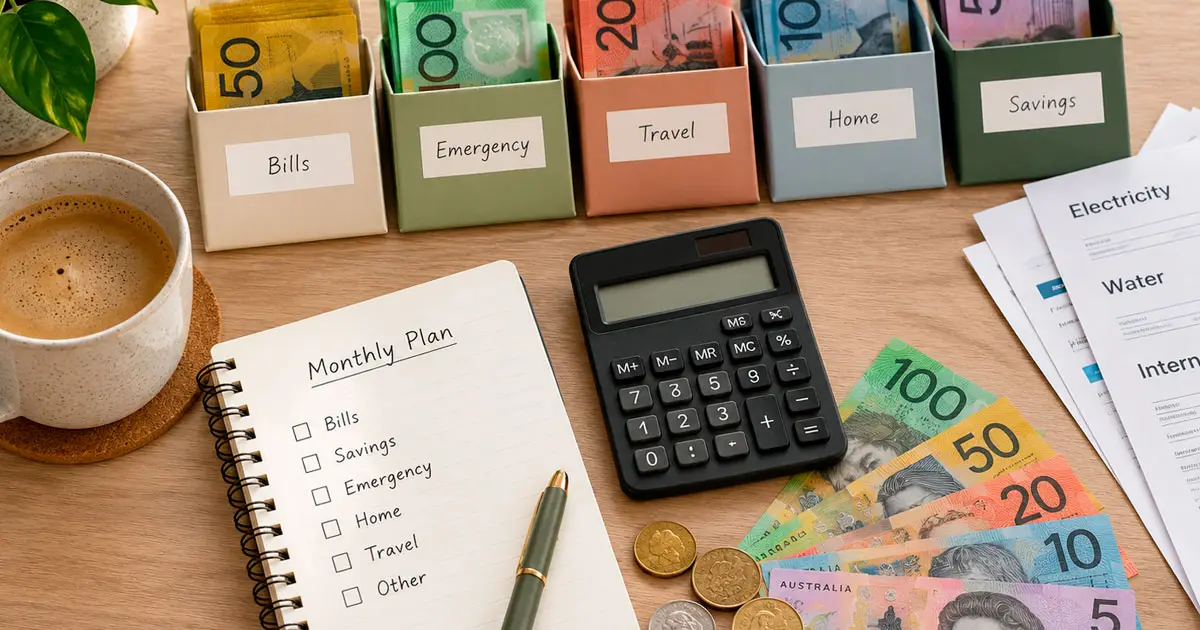
Every taxpayer will keep a little more of what they earn from the new financial year as long-planned stage three tax cuts kick in with other measures designed to alleviate the cost-of-living crisis.
Some economists have warned the tax cuts could add to inflation.
This may prompt the Reserve Bank to keep interest rates higher for struggling households or even raise them.

But with annualised inflation hitting a six-month high, consumers are feeling the pinch.
And this makes it more likely to welcome more after-tax pay in their pockets.
“July is a great month for working people after years of being hit with cost-of-living pressures made worse by big business price gouging,” ACTU secretary Sally McManus said.
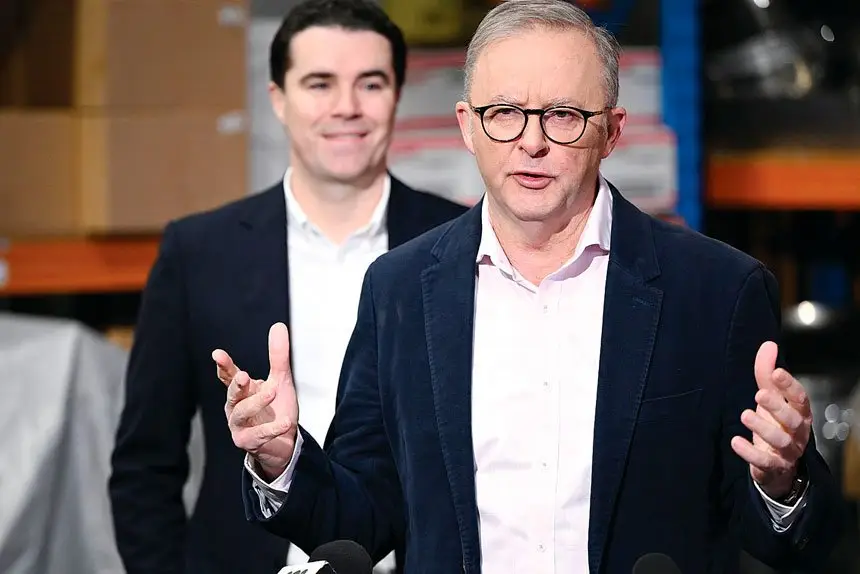
Prime Minister Anthony Albanese said his government was focused on addressing cost-of-living pressures in the short term while also looking to grow the economy.
The government will use the final parliamentary sitting week before the winter break to advance incentives for clean energy projects through the introduction of the Future Made in Australia legislation.
“(It’s) very important about how the economy grows in the future, how we get those clean energy jobs, how that helps to create advanced manufacturing,” Mr Albanese said on Sunday in Melbourne.
Consumers will also enjoy a degree of power-bill relief with households to receive a $300 energy bill rebate, applied as four $75 quarterly deductions.
Energy prices have spiked with many people, particularly welfare recipients, unable to afford their bills.
Energy Minister Chris Bowen rejected suggestions the introduction of the rebate showed government attempts to reduce electricity prices had failed.
“This is practical support now to … complement our rollout of the cheapest form of energy, which is renewables,” he said.