
RESIDENTS planning a swim along the Redlands Coast or Brisbane’s Bayside are being reminded to check local water quality conditions, particularly following periods of heavy rain.
Both Redland City Council and Brisbane City Council operate ongoing recreational water monitoring programs designed to identify elevated levels of bacteria that can pose a risk to human health.
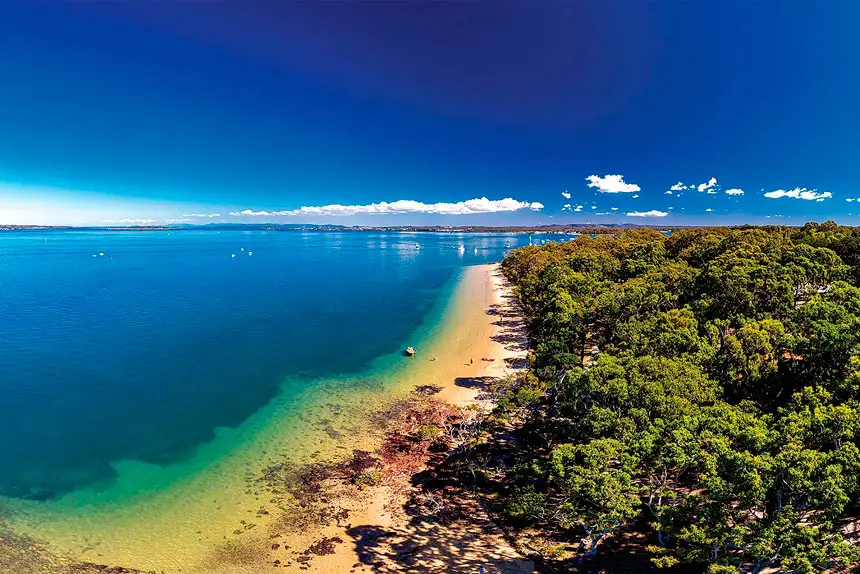
A Redland City Council spokesperson said the city proactively monitored water quality at 13 designated swimming locations across the coast, including mainland beaches, the Southern Moreton Bay Islands and North Stradbroke Island.
“The frequency of monitoring increases in summer, when there is increased recreational use of waterways and beaches,” the spokesperson said.

“Council always recommends that recreational contact with waterways be avoided during and after heavy rainfall to minimise exposure to bacteria that may be harmful to human health.”
The monitoring program focuses on detecting enterococci bacteria, which can increase following rainfall events as stormwater runoff carries contaminants from urban areas, parks and catchments into waterways.
Popular monitoring locations include Wellington Point Reserve, Thompsons Beach and Wilsons Beach at Victoria Point, Beth Boyd Park at Thorneside, Raby Bay Foreshore Park and several beaches on Minjerribah and the Southern Moreton Bay Islands.
Redland City Council uses a traffic-light system to help residents understand current conditions.
Sites are classified as Safe, Caution or Closed depending on the latest laboratory results.
The Council notes that water samples require up to 48 hours for laboratory analysis, meaning conditions can change between testing and the publication of results.
Across the bay, Brisbane City Council monitors water quality at 11 recreational sites along the Brisbane River and Moreton Bay foreshores.
A Brisbane City Council spokesperson said heavy rainfall was known to increase contamination levels during and after a storm.
Brisbane’s monitoring program also tests for enterococci bacteria and provides public health warnings when readings exceed guideline levels.
Temporary warning signs are installed at affected locations advising people to avoid activities such as swimming, wading, jet skiing, rowing and fishing where regular contact with the water may occur.
Both councils use the National Guidelines for Managing Risks in Recreational Waters to determine when warning notices should be installed and removed.
Authorities emphasise that waterways are generally safe for recreation under normal conditions, but recommend avoiding swimming for up to three days after significant rainfall and steering clear of stormwater outlets where contamination levels may be higher.
Residents can view the latest recreational water quality information through both councils’ websites.