

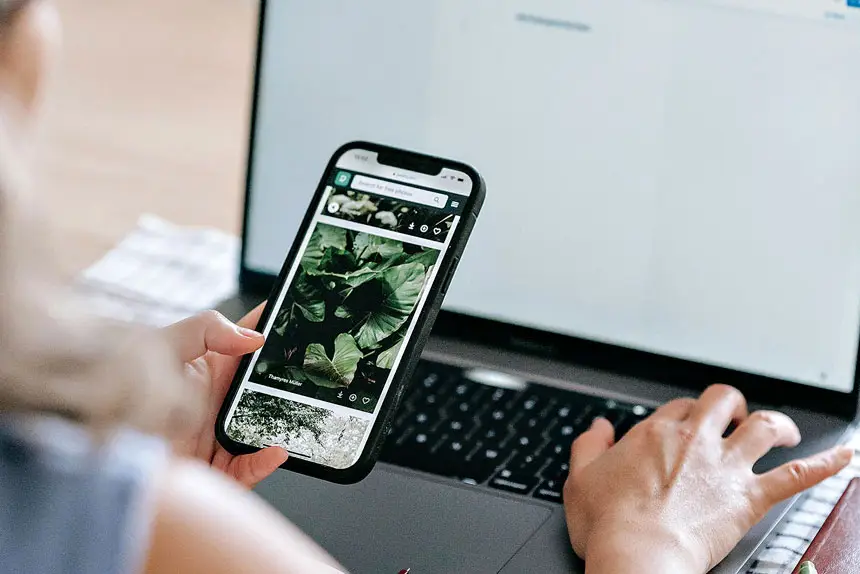
AS mobile phones become increasingly embedded in everyday life, workplaces are re-evaluating how personal phone use fits within a professional environment.
While smartphones are essential tools for communication and often part of doing the job, they can also present challenges around productivity, safety, professionalism and privacy when expectations are unclear.
Business owners frequently report that mobile phone use is one of their greatest workplace frustrations.
Many feel uncertain about what they can reasonably enforce and how to address the issue without creating conflict or harming morale.

This uncertainty often stems from a lack of clear, practical policies and procedures that reflect the realities of modern workplaces.
This is where strong, well-defined policies and procedures become critical.
They are not intended to sit unused in a folder.
Instead, they set standards for behaviour, define boundaries, and explain how the workplace will respond when issues arise.
When expectations are documented, clearly communicated and consistently applied, they create fairness and certainty for both employers and employees.
A well-considered mobile phone policy should be positioned as a practical tool, not a punishment.
It removes grey areas and helps everyone understand what is acceptable during work hours, when personal use is reasonable, and when it is not appropriate.
This clarity alone can prevent many common workplace frustrations before they occur.
Distraction remains one of the most significant risks.
Constant notifications, social media and personal messaging can disrupt concentration and reduce productivity, particularly in busy or customer-facing roles.
Clear guidelines reinforce that phones should not interfere with service delivery, teamwork or the quality of work.
Safety is another key consideration.
In some environments, even a brief distraction can lead to serious consequences.
Policies should outline when phones must be stored away, where they can be used, and how emergency situations will be handled.
Professionalism and customer experience also matter.
Customers expect attention and presence.
Visible phone use during interactions can damage trust and reflect poorly on both the individual and the business.
Privacy and confidentiality cannot be overlooked.
Mobile phones make it easy to record, photograph or share information.
Policies must clearly state that recording without consent is unacceptable and outline consequences for breaches.
Des Kerr from People & Culture Consulting said: “Having a mobile phone policy in place is only effective when employees are aware of it, understand how it applies to them, and are kept informed when it is updated.”