

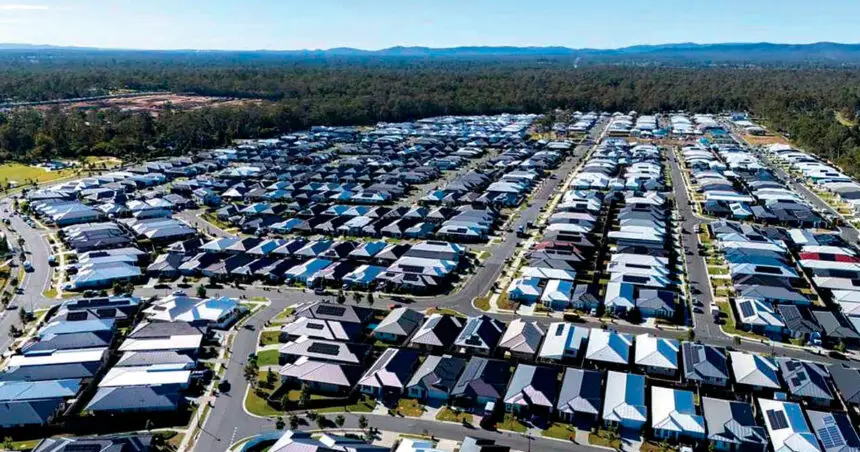
HIA
QUEENSLAND’S housing crisis could receive a much-needed lifeline, with a $2.4 billion infrastructure fund set to unlock thousands of new homes by tackling one of the biggest obstacles facing residential development.
The Housing Industry Association (HIA) has welcomed the opening of applications for the Queensland Government’s Infrastructure Activation Fund, describing the investment as a significant step towards accelerating housing supply and improving affordability.
With population growth continuing to place pressure on the state’s housing market, the fund aims to bring forward essential infrastructure projects, including roads, water, sewerage and other services needed to transform development-ready land into thriving residential communities.

The initiative is expected to facilitate the delivery of more than 50,000 new homes across Queensland, including more than 20,500 homes targeted at first-home buyers.
HIA Queensland Executive Director Mike Roberts said the announcement recognised a longstanding challenge for the residential construction industry, with the cost and timing of essential infrastructure often determining whether housing developments could proceed.
The announcement comes as rapidly growing regions across South East Queensland continue to grapple with increasing demand for housing, rising construction costs and mounting pressure on existing infrastructure.
However, the benefits for individual communities will depend on which projects successfully secure funding.
Mr Roberts said greater government investment in enabling infrastructure was essential to bringing more residential land to market and reducing the financial burden on prospective homeowners.
“The cost of infrastructure is ultimately borne by new home buyers, either directly or indirectly, so investments that help bring land to market faster and more efficiently are critical to improving housing affordability,” he said.
“Queensland’s growing population means we need all levels of government working together to remove barriers to new housing supply, and infrastructure funding is one of the most effective ways to do that.”
The fund will offer a combination of grants and interest-free loans, providing developers and councils with additional financial support to advance infrastructure projects that might otherwise face lengthy delays.
“The combination of grant funding and concessional finance will help bring forward projects sooner, create greater certainty for developers and councils, and support the industry’s capacity to deliver more homes,” Mr Roberts said.
For prospective buyers struggling to enter the property market, the prospect of thousands of additional homes offers encouragement, although the impact on housing affordability will ultimately depend on how effectively the investment translates into completed dwellings.
Mr Roberts said infrastructure investment needed to remain a central part of the broader response to Australia’s housing shortage.
“If Australia is serious about addressing the housing shortage, then ensuring infrastructure keeps pace with growth must be part of the solution,” he said.