



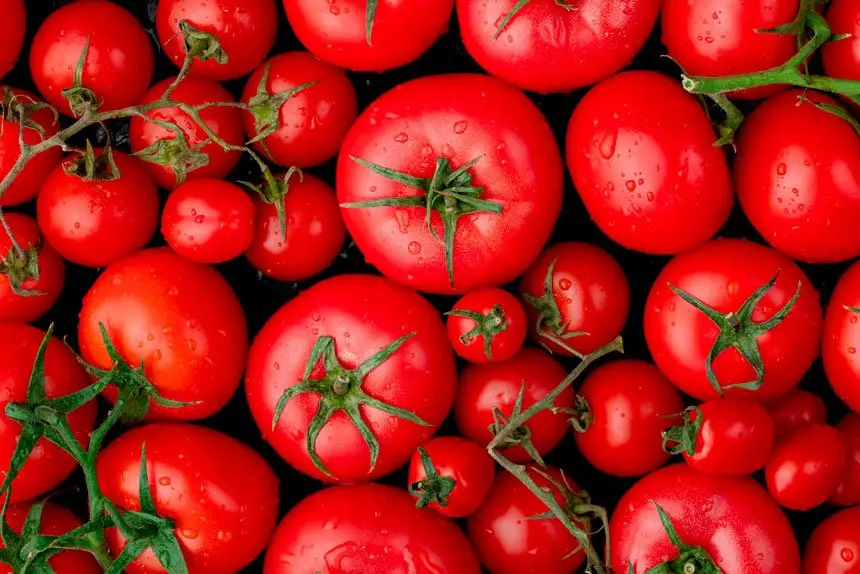
A RECENT update from biosecurity experts has confirmed that eradicating the tomato brown rugose fruit virus is not technically feasible.
In this column, we’ve previously talked about how easy it is to grow tomatoes at home. However, it’s important to be aware of this virus and its impact on the industry.
Farmers are urging home gardeners to stay vigilant to help prevent its spread.
Chilli and capsicum plants are also susceptible, and there’s real concern that this highly contagious virus could move quickly through home gardens.

The virus isn’t harmful to humans, but it causes brown or yellow spots on the leaves, fruit and stems.
Infected tomatoes may ripen irregularly or appear deformed.
When the virus was first detected in South Australia, New Zealand responded by suspending imports from all Australian states – except Queensland.
In other tomato-related news, regulators are currently assessing a bid to grow genetically modified purple tomatoes in Australia.
If approved, they’ll join only five other GM crops and one GM fruit already approved for cultivation.
These tomatoes would be grown in Queensland greenhouses and have a deep purple colour, similar to eggplant.
This “purple tomato” has been genetically modified to include genes from the edible snapdragon flower.
Before you question the colour, remember: thousands of years ago, carrots were purple, with variations in yellow, black, and white. Today, orange is simply the standard.
Our food is changing rapidly – and some people are getting a taste for it. Soon, lab-grown meat will be available on menus across Australia.
After a two-year process, Food Standards Australia New Zealand has given the green light to three “meats” made from cultured Japanese quail cells.
These are blended with ingredients like cognac, garlic, olive oil, thyme, and butter to create a silky, spreadable texture.
Already available in Singapore – where demand has reportedly increased by 200 per cent each month – these cultured products contain 60 per cent animal cells.
Till next time.