




THE Redland Whitewater Centre is slated to be a state-of-the-art venue with a temporary seating capacity of 8000.
The site was selected after careful consideration of multiple options, including the Penrith Whitewater Stadium.
The decision to proceed with Redland is seen as a win for both the Games and the local community, offering the potential for significant tourism, economic and sporting benefits.
The venue’s development will not only provide a top-tier competition site for the Games, but is also expected to leave a legacy for the region.

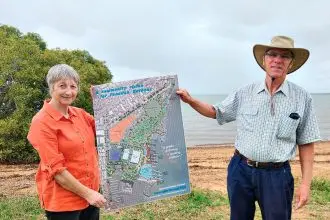
The precinct will include a range of public amenities, such as a lagoon, cultural centre and walking trails, alongside the 36-hectare conservation area.
A business case prepared by Redland City Council suggests the venue will attract visitors and support local businesses, contributing to a vibrant economy.
Concerns raised during the review regarding environmental impacts and the financial feasibility of the project have been addressed in the planning stages.
The centre will be constructed on a historically cleared field, minimising disruptions to the environment, and the project is expected to significantly reduce construction costs due to the land contribution by the Redland City Council and the development of surrounding infrastructure.
Moreover, the venue will be designed to limit impacts on the local aquifer and existing vegetation.
The review process included input from over 900 submissions, with many expressing optimism about the project’s potential to enhance community health, water safety and recreational opportunities.
However, some detractors raised concerns over the environmental impact, the ongoing costs of the venue, and the potential strain on local resources.
Despite these concerns, the review found the opposition to be manageable, particularly with the plans in place to minimise environmental damage, and the commitment to long-term operational viability.
While the approval of the Redland Whitewater Centre is a major milestone, the venue’s connectivity to public transport remains a key challenge.
Currently a private vehicle-dependent site, the centre will require significant infrastructure improvements to accommodate the influx of spectators during the Games.
Park-and-ride facilities from nearby transit hubs and an emphasis on active travel options are expected to alleviate congestion and ensure smooth transportation during the event.
With construction slated to begin in mid-2026 and completion targeted for 2028, the Redland Whitewater Centre will be ready for approximately four years of community usage before the Games.
The venue will offer year-round opportunities for adventure sports, high-performance training, and disaster resilience programs, solidifying its role as an asset for both the Games and the local community.