



REDLAND City Council is urging residents to take a more active role in reducing the amount of waste being sent to landfill from red-lid bins as the city works towards a 15 per cent reduction by 2030.
Mayor Jos Mitchell said the ambitious target could only be met if households across the city rethought the way they managed their waste.
“There are several reasons we need to improve our waste habits as a community, with one of the most important being a need to mitigate the rising costs of waste management,” Mayor Mitchell said.
“For instance, the increase in the Queensland waste disposal levy alone is expected an extra $8.6 million to Council’s annual waste bill by 2031. By recycling more and reducing your waste, you will also be contributing to the circular economy and helping to create a more sustainable future for the city.

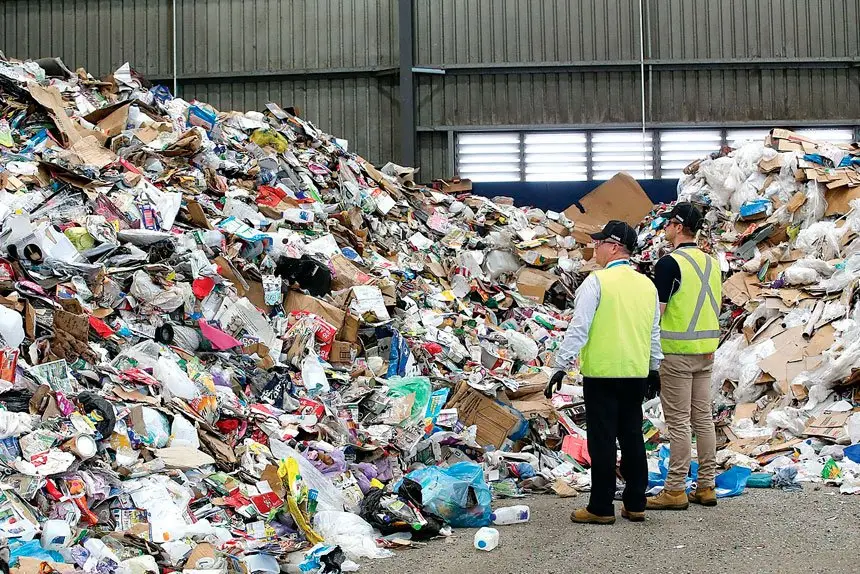
“As Council has reiterated on several occasions, we need to ensure the right items are being placed in the right bins to prevent recyclable materials from being lost to landfill.
“At the moment, about 16 per cent of what is disposed of in red-lid general waste bins could be recycled, with the most common culprits being paper, cardboard and hard plastics.”
Mayor Mitchell said reducing landfill would also bring broader environmental benefits.
“Maintaining a circular economy will help take pressure off our finite natural resources and unlock more jobs in recycling,” she said.
“It pays to be mindful that landfill sites have a range of impacts on our environment, from emitting harmful greenhouse gasses to putting waste materials in the ground that take a significant amount of time to break down.
“Our society is also quickly running out of land to accommodate these facilities and the cost of their long-term maintenance after they close comes at a significant cost to local governments, and therefore the community.
“Council’s long-term goal is to become a zero-waste society by 2050.”
Council is encouraging residents to use its online A-Z Recycling Guide and the downloadable RecycleMate app to help improve recycling practices.
A flexible bin menu also allows households to downsize their general waste bin or upgrade their recycling bin for a one-off establishment fee.
This gives households the opportunity to increase recycling output while potentially saving on annual waste and recycling charges.