



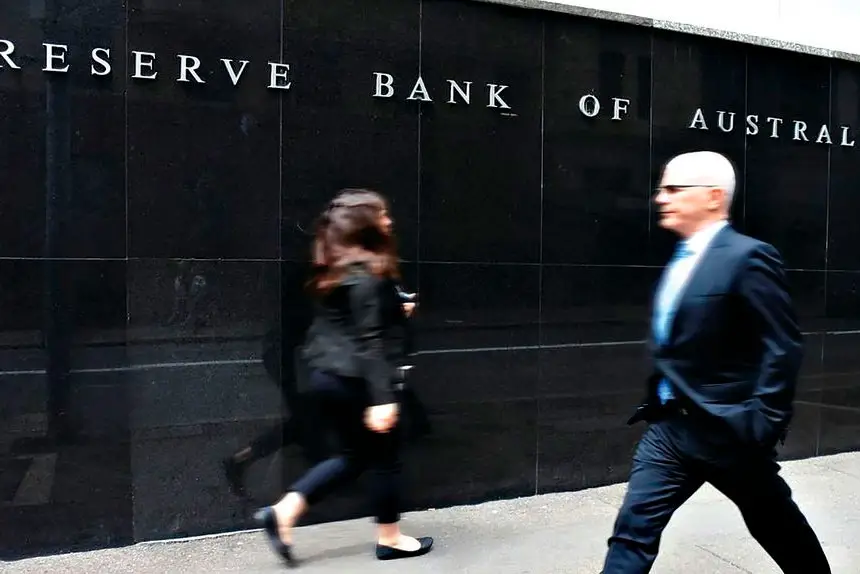
THE Reserve Bank of Australia has again held the cash rate steady at 3.6 per cent this month, taking a cautious stance as households continue to navigate rising living costs, higher rents and a property market showing no signs of slowing.
While the decision came as no surprise to economists, it reinforces a growing tension in the national economy: interest rates may be stable, but housing pressures remain anything but.
The RBA notes inflation is easing overall, but remains stubbornly high in key areas – most notably housing and construction. Building materials, insurance and rent continue to climb, intensifying financial pressure on homeowners and tenants alike.
Yet confidence has lifted for many borrowers after earlier rate cuts, and strong population growth has helped re-energise demand. As a result, property prices are rising again across multiple regions, even as mortgage repayments sit well above pre-2023 levels.

Real estate agents report increased buyer activity in recent months, driven largely by families and first-home seekers adjusting to the “new normal” of higher lending rates.
Investors, buoyed by climbing rents and tight vacancy rates, have also returned to the market. But the rebound has intensified competition, leaving would-be buyers struggling to keep pace and renters facing some of the harshest conditions seen in years.
Housing experts warn that steady rates combined with a shortage of supply could keep upward pressure on prices and rents well into 2026.
For mortgage holders, the RBA’s hold offers a brief sense of stability but little long-term certainty. The bank has reiterated that future rate decisions will hinge on inflation trends and household spending.
Economists caution that any lift in global inflation or domestic demand could push back the prospect of further cuts.
On the other hand, if price pressures continue to ease, the RBA may revisit its position later in the year.
While the cash rate remains unchanged, Australians continue to balance optimism with caution.