



THE time has come to separate fact from fear when it comes to native title in Redlands.
Despite what some alarmist voices would have you believe, native title is not a threat to your home, your backyard, or your lifestyle.
It’s a recognition – long overdue – of the deep and unbroken connection First Nations people have to the land.
And it’s one of the most misunderstood and misrepresented areas of Australian law.

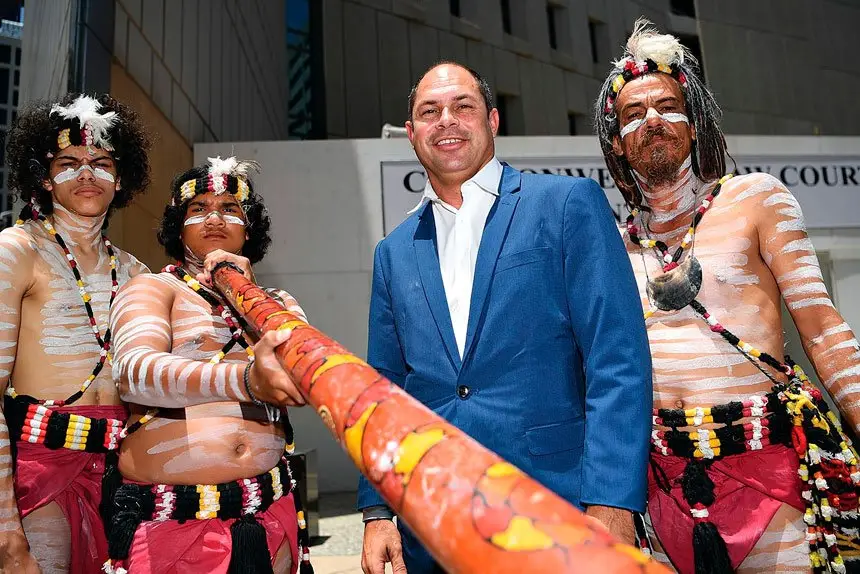
Cameron Costello, Chair of the Quandamooka Yoolooburrabee Aboriginal Corporation, has been clear: freehold land – such as the family home or private business property – extinguishes native title.
It cannot be claimed. The myth that homeowners are somehow at risk is untrue.
Native title does not mean losing land. It does not undo existing ownership.
It does not mean paying rent to Traditional Owners or handing over your keys.
So why the hysteria?
It appears political gain is being prioritised over respectful public discourse.
Let’s be clear: native title is not some radical new idea.
It is part of a legal framework established more than 30 years ago through the Native Title Act 1993, which followed the High Court’s landmark Mabo decision that debunked the shameful lie of terra nullius – the myth that this land belonged to no one before colonisation.
To succeed in a native title claim, Traditional Owners must meet a high legal threshold, showing that their community has survived colonisation and maintained connection to their country – spiritually, culturally and physically.
In 2011, the Quandamooka people did just that.
Their rights to access country, conduct ceremony, and care for land and waters on and surrounding North Stradbroke Island and parts of Moreton Bay were formally recognised.
But crucially, as Mr Costello explained, these rights are limited to certain areas like national parks, unallocated crown land, or tidal zones.
They do not include your home. They cannot be applied over freehold land.
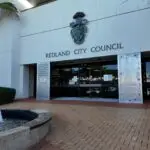
And yet, confusion persists – in part because of a Council-driven claim that has caused unnecessary alarm.
QYAC says it did not include freehold land in its original coastal claim. It says that was Redland City Council’s doing, and even QYAC opposes the inclusion of private properties.
As Mr Costello asked: why are ratepayers footing the bill for disputes that are avoidable?
We must also ask why some elected officials are using native title to stir division in our community?
Quandamooka people now co-manage national parks, run sustainable campground businesses, and are applying ancient land management knowledge – like fire and water stewardship – for everyone’s benefit.
This is reconciliation in action. Redlanders deserve better than fear campaigns and misinformation.
They deserve truth, and they deserve leadership that builds bridges – not barriers.
Native title is not a threat.
It’s a recognition of enduring culture, hard-won in court, and rigorously regulated by law.
Let’s reject the scare tactics, embrace the truth, and walk the path of reconciliation together.