



SOUTHERN Moreton Bay Islands residents have voiced anger and frustration after Woolworths sharply increased its grocery delivery fees, prompting intervention from local MP Rebecca Young and a flurry of community calls for competition, better transport and long-term infrastructure solutions.
Under the change, island customers who previously paid about $100 per year for deliveries are now being charged around $20 per delivery—a shift many residents say is unaffordable for families, seniors and those who rely on home delivery.
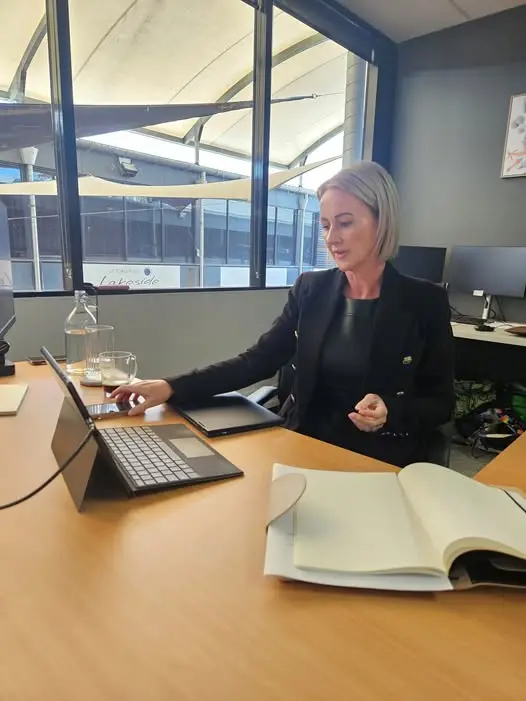
Mrs Young said she had taken the issue directly to Woolworths’ Manager of Government and Industry Affairs after hearing from shocked residents.
“A jump from around $100 per year to $20 per delivery is a significant increase,” she said.

“Redlands island residents have spoken, and I’ve listened. I’ve raised the real impact this change has on families, seniors and those who rely on grocery delivery.”
She said “practical solutions” were already being discussed and pledged to continue advocating for islanders.
Community demands competition
The announcement triggered a wave of reader comments, with many pointing to the lack of competition as the core problem.
“Only competition will bring price down,” wrote Adam Williams, calling for Coles, Costco or Aldi to enter the market.
Mrs Young responded that Coles had ceased its island delivery service in 2018, though others argued the retail landscape had changed and should be revisited.
“If there was a better transit method than barges, all the supermarkets who deliver could deliver,” said Ash Oldershaw, cautioning against “upsetting the applecart” given Woolworths’ current role.
Others argued that missed opportunities had compounded the problem.
Scott Gardner questioned why a proposed Coles outlet at the Weinam Creek marina precinct was removed from earlier plans, saying it would have delivered competition, convenience and jobs for islanders.
“We need a Woolworths on the island, to support all islands,” Troy Hemsley added, while Jim Smith suggested delivery costs could be eased if supermarket freight were charged resident rates on barge services as an essential service.
Beyond groceries: infrastructure frustration
The debate also broadened into long-standing concerns about transport and infrastructure.
Mark Bray said delivery fees were “the least of our worries,” calling for a bridge or short-trip barge for Russell Island and accusing authorities of failing to keep pace with population growth.
Greg Hartay-Szabo echoed that view, warning that without major upgrades—roads, sewerage, diversified access and telecommunications—affordability pressures could turn a “paradise” into something far less desirable.
Amid the frustration, many residents thanked Mrs Young for intervening, while others said they were already boycotting Woolworths in protest or calling for reduced delivery frequency as a compromise.
Mrs Young said she would keep the community informed as discussions continue.
For islanders facing rising costs, the message from readers was clear: without competition or better transport links, grocery bills—and tensions—are unlikely to fall.