



A long-running legal dispute between Redland City Council and Quandamooka man Darren Burns over vegetation clearing on North Stradbroke Island is heading to the High Court of Australia.
The nation’s highest court has granted special leave to appeal, according to the Results of Applications for Special Leave to Appeal, Leave to Appeal and Removal Dispositions published Thursday, March 12, 2026.
The matter — Redland City Council v Burns — was previously decided by the Queensland Court of Appeal in [2025] QCA 222, which dismissed the council’s bid to reinstate Burns’ conviction.
The High Court listing is recorded as [2026] HCADisp 61.

Background to the case
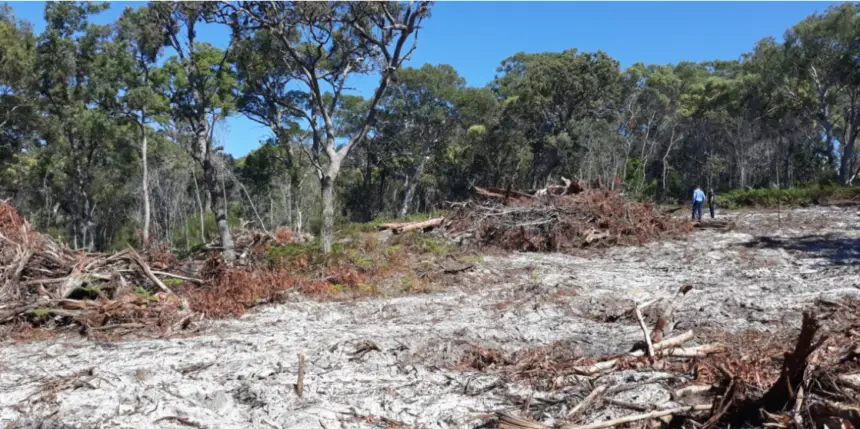
The dispute stems from the clearing of about 2,400 square metres of native vegetation on Minjerribah (North Stradbroke Island).
Burns had arranged for a contractor using an excavator to clear the land, which he considered part of his ancestral country, in preparation for building a home for his daughter.
During the clearing, Burns told the contractor: “It’s me, it’s native title land… you won’t get in trouble.”
Redland City Council charged Burns under Queensland vegetation laws, arguing the mechanical clearing was substantial and inconsistent with any recognised traditional Aboriginal cultural activity.
Court findings
The case has already passed through several levels of the Queensland court system.
The Magistrates Court originally convicted Burns, rejecting arguments that the clearing was protected by native title rights or fell within a cultural activity exemption.
In sentencing, the magistrate described the clearing as “a cynical land grab”, finding the activity was motivated by a desire to build a private dwelling.
However, the District Court later overturned the conviction, ruling the magistrate had failed to properly consider the “honest claim of right” defence under section 22(2) of the Queensland Criminal Code.
Burns argued he genuinely believed he had a traditional right to “blaze, clear and build” on the land for his family.
He told the court that using an excavator was “just like a stronger stick for cleaning the land”, describing it as a modern adaptation of traditional practice.
Once that defence was raised, the legal burden shifted to the prosecution to disprove the honesty of that belief beyond reasonable doubt.
The District Court found the council had failed to meet that threshold.
Appeal dismissed
Redland City Council then took the matter to the Court of Appeal, arguing the District Court erred by accepting Burns’ belief as honest despite there being no evidence that the clearing was part of an established cultural practice.
But the appellate judges rejected that argument.
The court ruled the defence of honest claim of right can apply even where the belief is mistaken or unreasonable, provided it is genuinely held.
The judgment noted there was “something of a tension” between the lack of evidence for a cultural clearing practice and Burns’ claimed belief in such a right — but said this was consistent with the operation of section 22(2).
Ultimately, the court found there was sufficient evidence that the council had not disproved Burns’ honesty beyond reasonable doubt.
The Court of Appeal granted leave but dismissed the council’s appeal and ordered the council to pay Burns’ legal costs.
Now heading to the High Court
With the High Court now granting special leave to appeal, the case will proceed to a full hearing in Canberra.
Legal observers say the outcome could become an important national precedent on how planning and environmental laws interact with Indigenous cultural rights and criminal law defences.
The decision is likely to be closely watched by councils, Indigenous communities and environmental regulators across Australia.
A hearing date has not yet been announced.