




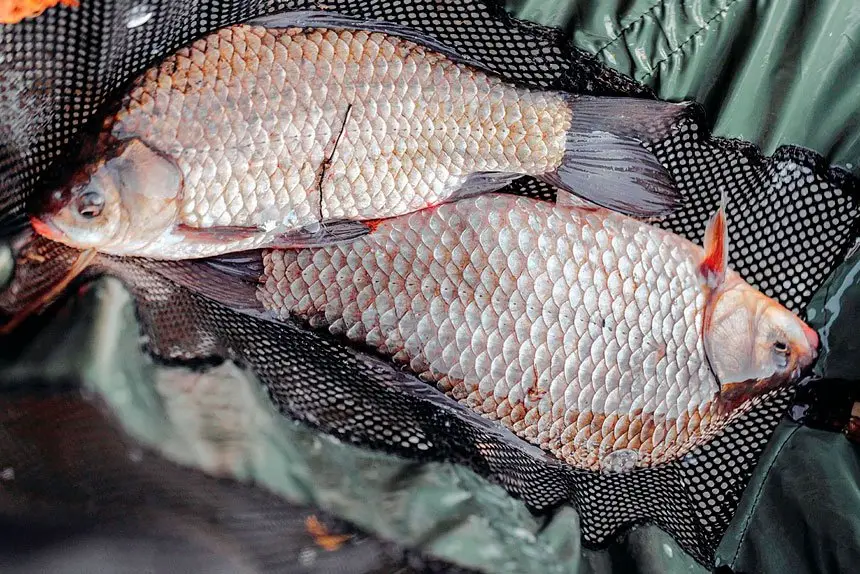
EFFORTLESS FISH SCALING: A COMPLETE GUIDE
Scaling a fish is a crucial step in preparing it for cooking, ensuring a clean and enjoyable eating experience. With the right tools and techniques, this task can be straightforward and efficient.
Contents
ESSENTIAL TOOL: THE SCALING KNIFE
To begin, you’ll need a scaling knife or a fish scaler. A scaling knife is designed with a serrated edge that easily removes scales without damaging the skin. If a scaling knife isn’t available, in a pinch you can use a butter knife or the back of a chef’s knife.
STEP-BY-STEP SCALING PROCESS
- Preparation: Start by rinsing the fish under cold water to remove any slime or debris. This will make the scaling process easier and cleaner.
- Secure the fish: Place the fish on a flat, non-slip surface. You can use a cutting board with a damp towel underneath to prevent slipping. Hold the fish firmly by the tail.
- Begin scaling: Starting from the tail, work your way towards the head. Use short, firm strokes with the scaling knife. Scrape against the grain of the scales to lift them off. Be methodical, ensuring you cover the entire surface.
- Don’t miss these parts: Pay special attention to areas around the fins and the gill covers, as these spots often have stubborn scales. Gently lift the fins to remove any hidden scales underneath.
- Finishing touches: Once the scales are removed, rinse the fish again under cold water to wash away any loose scales. Run your hand over the fish to check for any missed spots.
ADDITIONAL TIPS
- Work outdoors or over newspaper: Scaling can be messy. Consider doing it outdoors or over a layer of newspaper for easy cleanup.
- Sharp knife for filleting: After scaling, switch to a sharp filleting knife for further cleaning and filleting if needed.