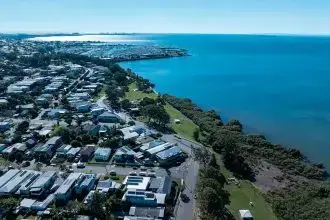





In the wake of Cyclone Alfred, the real estate landscape in the Redlands and Bayside areas is experiencing a shift.
While these regions fared better than some of the worst-hit parts of Queensland, the storm still brought its fair share of challenges, leaving potential buyers with more questions and a renewed focus on due diligence.
The damage to properties in the Redlands and Bayside was primarily related to maintenance issues rather than structural failures.
Roof leaks were a common problem, particularly for older homes, and fallen trees and debris disrupted yards and access routes. Despite these issues, the areas held up remarkably well in comparison to those severely affected by flooding and high winds.

However, not every home was spared from the storm’s wrath. One property, for example, experienced repeated water inundation which, despite taking every possible precaution, led to a sewage overflow – a reminder of how unpredictable and destructive severe weather can be.
This firsthand experience highlights an essential truth: when considering properties in cyclone-prone areas, thorough research is non-negotiable.
Post-cyclone, buyers are becoming more vigilant, seeking detailed information about the history of properties, their vulnerability to floods, and the long-term sustainability of the infrastructure in place.
One practical first step for any potential buyer is to investigate flood zones and mapping provided by local councils.
Many councils in the Redlands and Bayside regions offer access to flood risk mapping, which can help buyers make informed decisions about whether a property is located in a flood-prone area.
For buyers considering homes in the Redlands or Bayside, the market is changing, and being informed is more important than ever.
The market is adjusting, and now is the time for buyers to dig deeper, as being well-informed will be the key to making a safe, sound investment.
We can only assume buyers will be asking “how did the home go in the cyclone”.
The responsibility doesn’t rest solely with buyers. Property owners must also use this rare event as a wake-up call and start preparing for future storms.
While cyclones like Alfred occur once every 35 years, we’ve seen more frequent heavy downpours in recent years.
These events may feel like a distant concern, but they’re a stark reminder that extreme weather is inevitable.
Now is the time to put precautionary measures in place to safeguard homes from future storms.
The basics are where every property owner should start: regular roof inspections, trimming trees that could pose a risk especially near power lines, and maintaining the structural integrity of the home.
Pool care also emerged as a significant issue post-cyclone, with many pools left full of mud, grime, and turning green from lack of maintenance.
Protecting pool chemicals and electrical boxes is vital to ensure the system remains safe and functional.
Another area that raised concern post-cyclone was how to manage solar systems during storms. Energex issued guidance on whether to turn off solar panels during extreme weather, sparking confusion for some homeowners.
Having a clear plan of action for these situations is crucial.
Property owners should speak with their electricians to ensure they have a defined emergency protocol for their solar systems.
This will help avoid any confusion during future storms, giving homeowners peace of mind that they are prepared for whatever nature throws their way.
Cyclone Alfred may have been rare, but it serves as a crucial reminder that preparedness is key to weathering Queensland’s unpredictable storms.
Taking action now will help protect your home and family for years to come.