



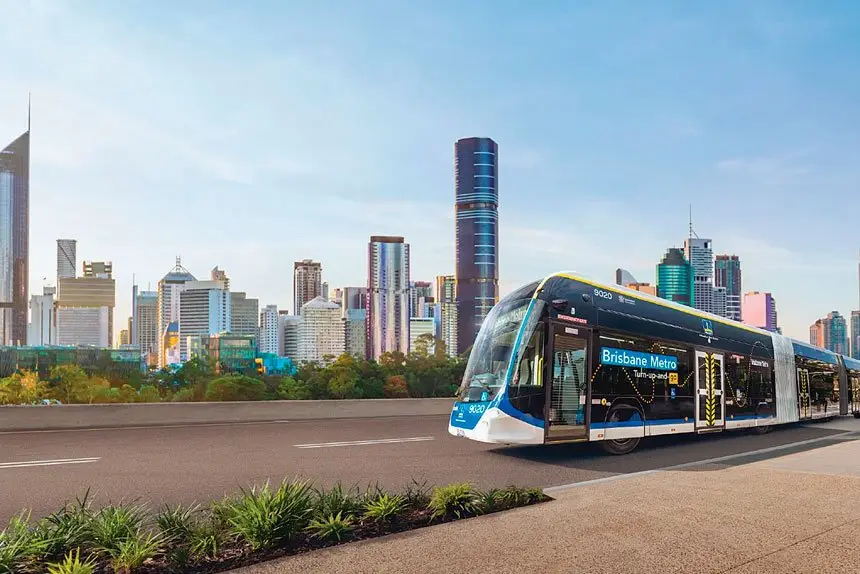
STATE and federal MPs have joined with Redland City Council to push for the extension of the Brisbane Metro network to Capalaba, highlighting the project as a top priority for the region’s infrastructure development.
The proposed Metro extension is critical for managing the significant population growth expected in the Redlands Coast area.
Projections indicate that the population will grow by about 17 per cent, or about 28,000 people, by 2046.
This growth will place increasing strain on existing transport routes, making the extension of the Metro even more essential for easing congestion and providing a sustainable, electric bus service.

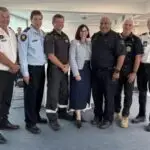
Federal Member for Bowman Henry Pike and State Member for Springwood Mick De Brenni both placed the Capalaba Metro extension at the forefront of their infrastructure priorities.
“The Metro extension from Coorparoo to Capalaba will not only reduce travel times but also open up new opportunities for the entire Redlands area,” Mr Pike said.
“This extension could transform Capalaba into a vibrant commercial, dining, and cultural hub, strengthening its connection to Brisbane.
“With the Olympics on the horizon, there’s the added possibility of extending the service further to Victoria Point and Redland Bay, helping to shape the city’s future.”
Mr De Brenni echoed Mr Pike’s sentiments, emphasising that the extension was a project that all levels of government should support.
“Extending Metro to Capalaba is something that every level of government should be able to agree on, and that’s what ordinary Aussies want – a government that’s focussed on them,” he said.
The push for funding to support the Metro extension has been growing, with Redland City Council also advocating for federal support.
The extension would not only benefit residents by improving transport options, but also contribute to the region’s economic development.
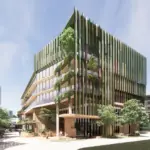
A key part of the vision for Capalaba is the ongoing Capalaba Town Centre Revitalisation, which will turn the area into a vibrant mixed-use urban hub.
The project includes plans for a new library, customer service centre, employment opportunities and cultural spaces such as a community hall and arts venues.
This revitalisation will play a significant role in attracting both residents and visitors to the area, creating a day/night economy.
In addition to these local benefits, the extension of the Metro network will enhance connectivity to potential 2032 Brisbane Olympics venues, ensuring long-term legacy benefits for the region before and after the Games.