
Extracts from theconversation.com.au, published 2018.
ACROSS Europe, major cities are rethinking their reliance on private vehicles.
London aims for 80 per cent of trips to be made by walking, cycling, or public transport by 2041.
Copenhagen wants three-quarters of trips to be car-free by 2025.

Paris plans to halve private cars in the city centre, while Madrid has already banned non-resident vehicles, apart from zero-emission delivery vans, taxis, and public transport.
Helsinki has the boldest target: phasing out private cars altogether by 2050 through on-demand, affordable public transport.
These policies aim to cut congestion, improve air quality, boost economic competitiveness and enhance liveability.
Cities that succeed are more likely to attract talent and investment.
BOON OR BURDEN?
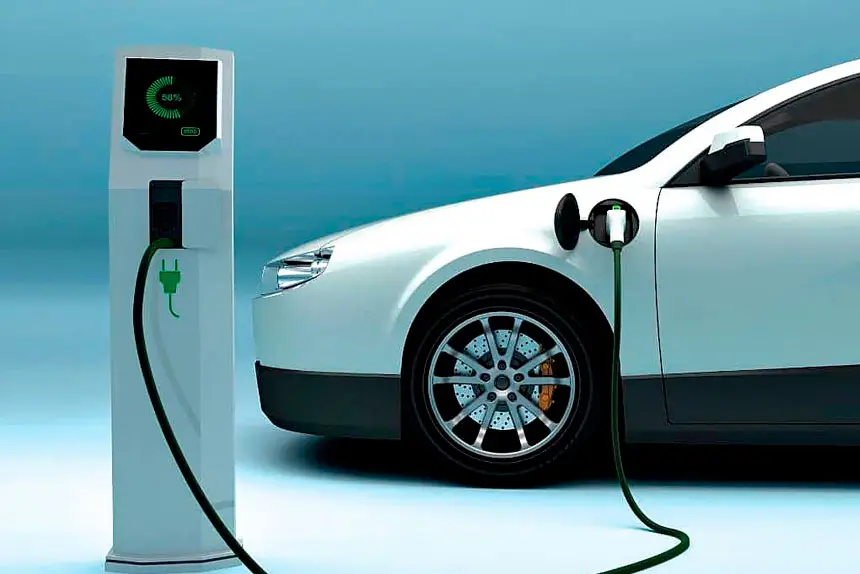
Meanwhile, carmakers and tech giants are pursuing another future: shared, electric, autonomous vehicles.
Advocates argue these could be safer than human drivers, reducing road deaths. They may also increase accessibility for elderly and disabled people, while freeing up urban land currently dominated by parking.
If fewer people own cars, urban spaces could be repurposed for housing, parks, or businesses. Freight deliveries could even shift to off-peak hours, easing congestion.
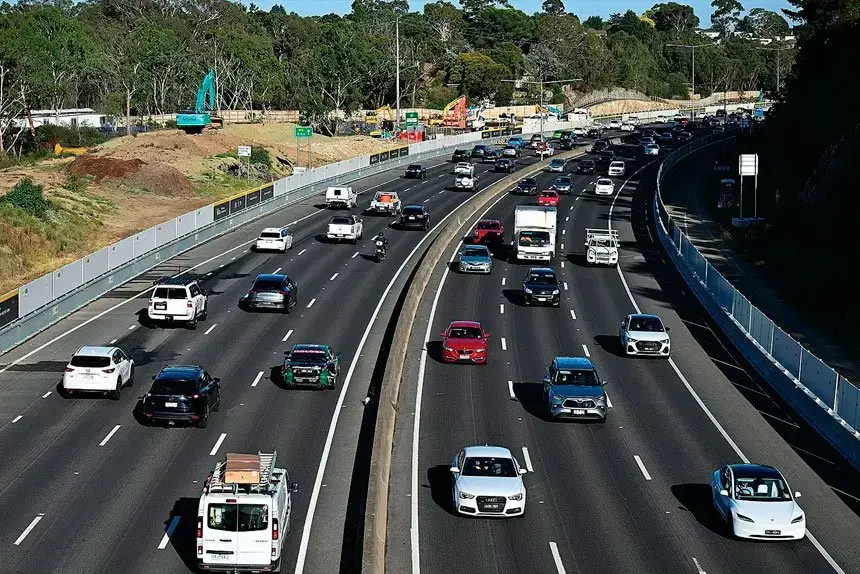
But there’s a catch. The convenience of driverless cars might encourage people to abandon public transport and travel more often, increasing traffic.
While these vehicles could park themselves outside city centres, they would still generate additional journeys – sometimes empty – clogging up streets and undermining sustainability goals.
There are also social challenges. How will self-driving cars coexist with pedestrians and cyclists?
If programmed to always stop, they may encourage separation of traffic from people, leading to car-dominated cities once again.
LEARNING FROM THE PAST
History shows how planning decisions shape cities for generations.
In the US, the invention of “jaywalking” laws privileged cars over pedestrians. The UK took a more flexible approach, while The Netherlands embraced shared spaces where cars, bikes, and people mix.
The result: vastly different urban experiences that persist today.
The lesson is clear. Autonomous vehicles cannot be planned for in isolation.
Cities must decide now how self-driving technology fits into broader transport, environmental, and social strategies.
Done well, it could enhance accessibility and reduce emissions. Done poorly, it risks locking us back into car dependence.