

Redland City Council’s City Waste business unit increased its recycling and resource recovery rate to 52.9 per cent in 2024–2025, diverting almost 67,000 tonnes of material from landfill — a 2.7 per cent improvement on the previous year.
The division managed 126,527 tonnes of municipal solid waste across the city, providing essential waste and recycling services to more than 63,000 households.
Despite strong recycling performance, overall domestic waste generation rose 13.8 per cent to 749 kilograms per person, largely due to prolonged wet weather, ideal growing conditions and waste generated in the aftermath of ex-Tropical Cyclone Alfred.
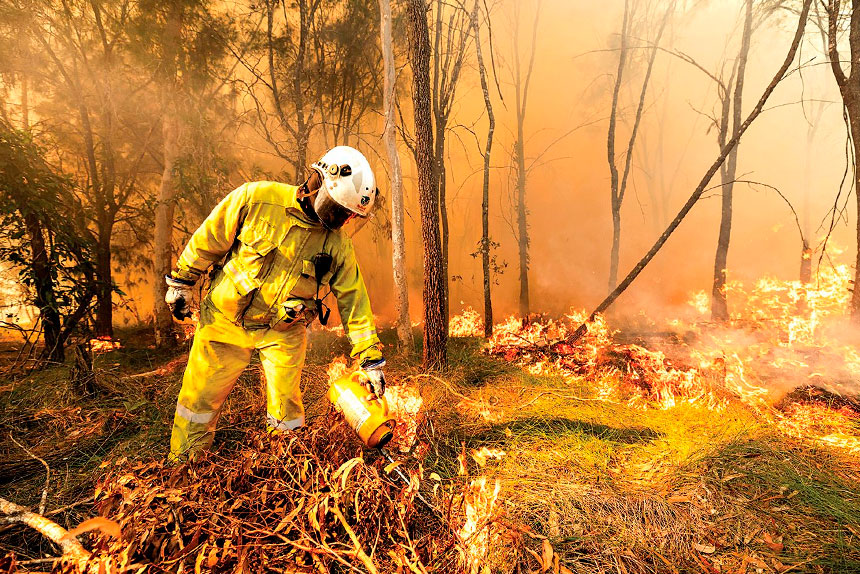
In response to the cyclone, City Waste established temporary waste disposal sites across the city, including 17 food waste locations that received 25 tonnes of spoilt food and five green waste drop-off points that took in about 550 tonnes within seven days of the event.

City Waste responded to 16,353 customer service requests during the year, a 14.2 per cent increase on 2023–2024, and continued to achieve exceptionally low service complaint levels, with verified missed service complaints at just 0.0003 per cent.
More residents joined the kerbside green waste service, with an additional 2086 households signing up during the year, bringing total participation to 27,634 households, or 43 per cent of all Redlands Coast homes.
This resulted in 38,721 tonnes of garden organics being collected and composted into valuable soil products — equivalent to 229 kilograms per person.
Council’s recycling and waste centres (RaWCs) recorded more than 517,000 customer visits, representing a 9.5 per cent increase on the previous year.
Internal operations were also strengthened through staff waste reduction training and the introduction of new sustainability measures, including compostable dog waste bags, Containers for Change collection points, and vape recycling bins.
City Waste continued its collaboration with Logan and Ipswich councils through the Sub-regional Alliance, progressing plans for a regional materials recovery facility and exploring energy-from-waste opportunities.
Timber recovery was also improved at the North Stradbroke Island/Minjerribah Recycling and Waste Centre, diverting an additional 131 tonnes of recyclable timber from landfill.
Education and behaviour change remained a strong focus under the Redland City Waste Reduction and Recycling Plan 2021–2030.
With $486,855 in funding from the Queensland Government’s Let’s Get it Sorted Partnership Program, Council delivered a city-wide behaviour change initiative that included waste audits, kerbside recycling bin inspections, targeted education, letterbox drops, follow-up communications, and community events.
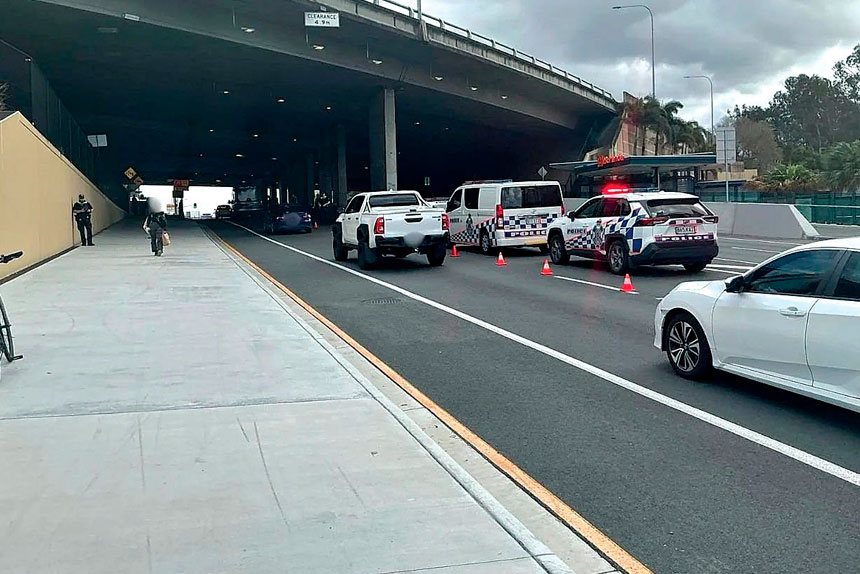
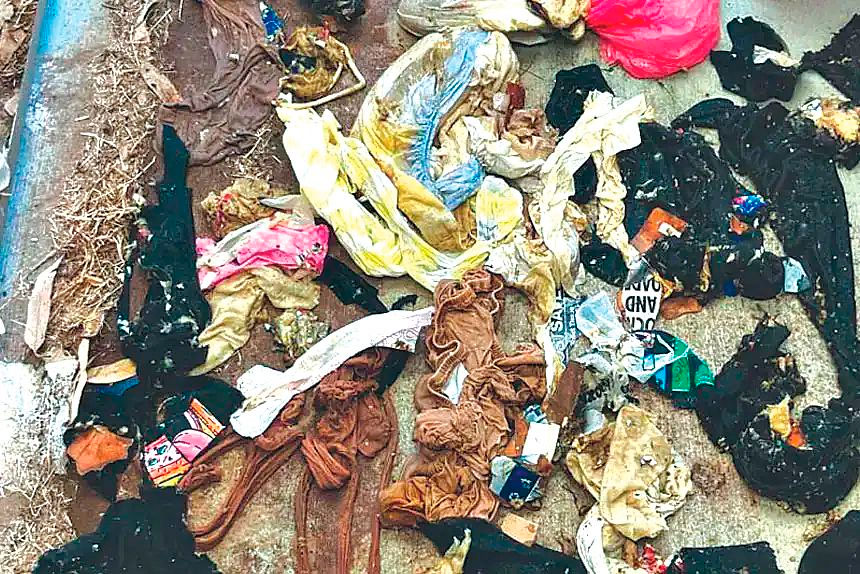
More than 1000 households received direct feedback on how to improve their recycling practices, while 2000 households were targeted with safety messages following several truck fires caused by incorrect disposal of batteries and gas bottles.
Social media campaigns on battery safety reached more than two million views.
Council also supported 54 Clean Up Australia Day events, expanded its Container Refund Scheme ‘Pay it Forward’ bins to more than 30 public places, and sponsored Tangalooma EcoMarines programs reaching 23 schools and seven early learning centres across the city.
The compost bin subsidy program continued to encourage home organics recycling, with 486 households purchasing discounted compost equipment and diverting an estimated 56,435 kilograms of organic waste from landfill.
While recycling performance targets were achieved, total waste generation exceeded forecasts.
The division recorded an operating revenue variance of +0.6 per cent, goods and services variance of +7.08 per cent, and capital expenditure variance of –91.37 per cent against the Annual Performance Plan.
Looking ahead, City Waste will focus on increasing household participation in organics recycling, commissioning the new regional materials recovery facility with partner councils, and continuing to enhance community education to improve recycling outcomes and reduce waste generation.