
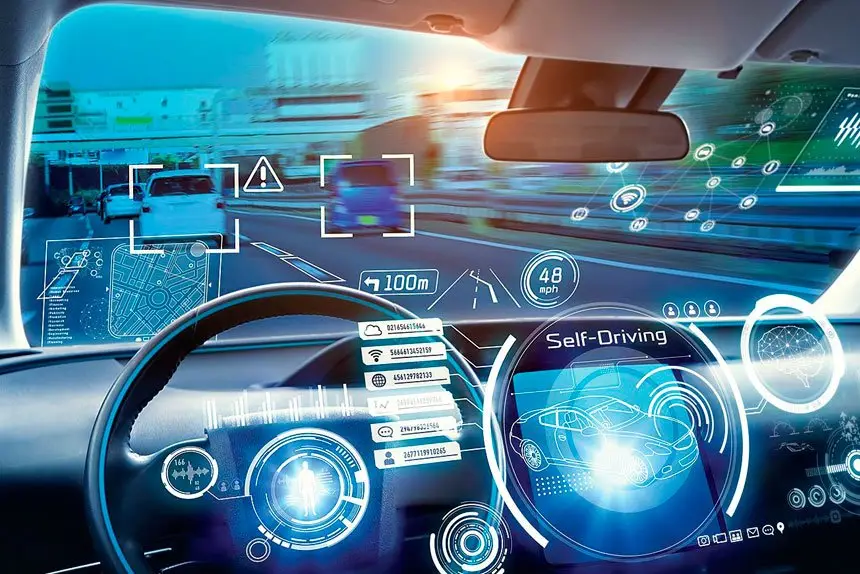
TESLA is set to roll out its “Full Self-Driving (Supervised)” (FSD) mode in Australia and New Zealand.
But despite the name, it’s not driverless. Legally, drivers must pay attention and be ready to take control at all times.
The move comes as scrutiny grows. A video this month showed a Tesla navigating Melbourne’s CBD without the driver’s hands on the wheel, sparking warnings from authorities that no such trials have been approved.
It underlines how contested the future of “self-driving” remains.

NOT TRULY SELF-DRIVING
Tesla’s FSD is classified as Level 2 automation – the same as other advanced driver-assist systems.
On the five-level automation scale, Level 5 represents true autonomy. At Level 2, the driver is still legally responsible.
Higher levels, from Level 3 upwards, involve the car taking full control in certain conditions.
But these systems are not permitted on Australian roads without strict trial permits covering safety, insurance, data, and location limits. That’s why the Melbourne video drew pushback – it suggested a higher level of autonomy than legally allowed.
WHAT THE SYSTEM DOES
In Australia, Tesla will enable FSD for eligible vehicles in stages.
The system can change lanes, navigate interchanges, recognise stop signs and lights, stop automatically, and even perform Melbourne’s notorious hook turns.
Still, drivers must be ready to intervene instantly. Tesla markets FSD as a step towards autonomy, but in practice it’s more like a diligent learner driver than a chauffeur: capable, but far from independent.
THE ROBOTAXI RACE
Tesla’s ambitions stretch beyond driver assistance. CEO Elon Musk has touted a future robotaxi fleet, where owners could monetise their cars.
In June, Tesla launched its first supervised robotaxi service in Austin, Texas. But these still require a human safety driver.
For now, despite the name, Tesla’s “Full Self-Driving” remains firmly supervised. Extracts Published from Theconverstion.com.au (September 12, 2025)