
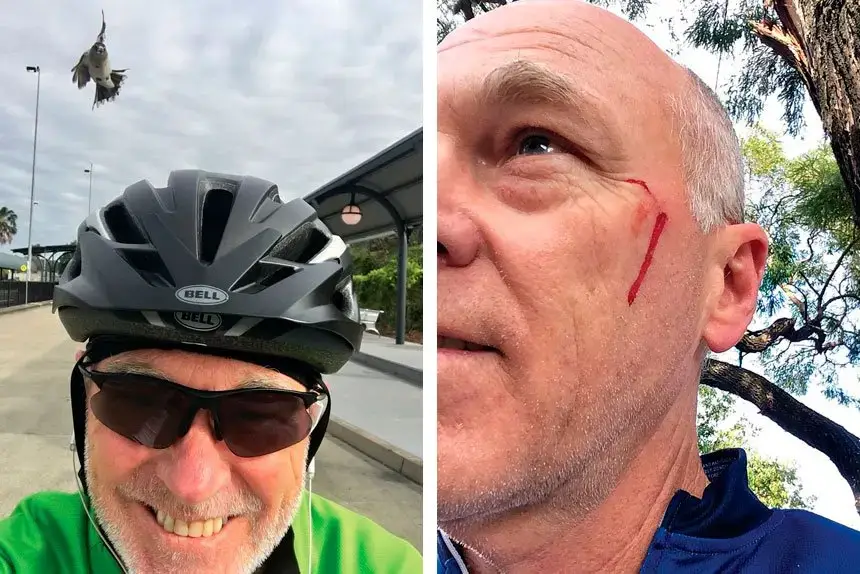
SPRING is in the air and that means nervous eyes across the Redlands and Bayside are searching skyward for feathered dive-bombers.
Swooping season peaks in September and October when magpies, butcherbirds and plovers are hell-bent on protecting their breeding territory from human invaders.
Carindale is one of the early leaders in reported attacks across the Brisbane City Council region.
Forest Lake tops the list with seven reported swooping’s, followed by Wakerley with six, and Carindale with five.

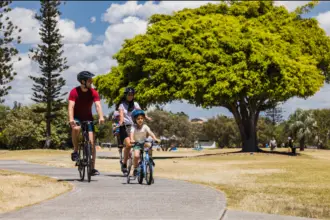
Cyclists and runners are among the favoured targets, with one cyclist spoken to describing the next couple of months as his worst nightmare.
“Generally, you don’t hear them coming,” he said.
“You’re just riding along minding your own business and ‘whack’, your helmet gets rattled.”
Brisbane Lord Mayor Adrian Schrinner’s advice is to take the matter seriously and report any swoopings.
“If residents witness a swooping bird, please let Council know so we can monitor the bird and install signage to warn other residents,” Cr Schrinner said.
“With the peak of swooping season here, it’s a timely reminder to be alert that we share our city with wildlife.
Civic Cabinet Chair for Environment, Parks and Sustainability Tracy Davis said residents should stay alert and follow warning signs.
“We place simple and highly visible signs in reported swooping locations to ensure people are aware and can take the necessary precautions to keep safe,” Cr Davis said.
“Magpies are protecting their young, but with care and caution, we can keep people safe and enjoying our fantastic outdoor lifestyle.”
The advice is similar from Redland City Council, which confirms that magpies, butcherbirds and plovers are the birds most likely to become overzealous in their behaviour, a bit like human helicopter parents.
“Please remember they only swoop to protect their young, and retaliating by waving or throwing objects at them only increases their aggression as their perception of threat is heightened,” the Council website advises.
“It is important to respect birds’ warnings and avoid the area if possible, using an alternate route or staying at least 150m clear from a nest area.”
Both councils agree on other top tips for avoiding swooping birds.
Wearing a hat or using an umbrella over your head can help prevent physical contact, while sunglasses offer protection for your eyes.
It’s best not to panic when swooped, as this can encourage a bird to continue its attack.
Where possible, exercise in a group, since most birds target individuals rather than groups.
Cyclists are also advised to dismount and walk when passing through known swooping sites.