
IN an era when public figures, particularly women, are increasingly targeted online, the level of abuse aimed at politicians raises serious questions about respect and civility in public debate.
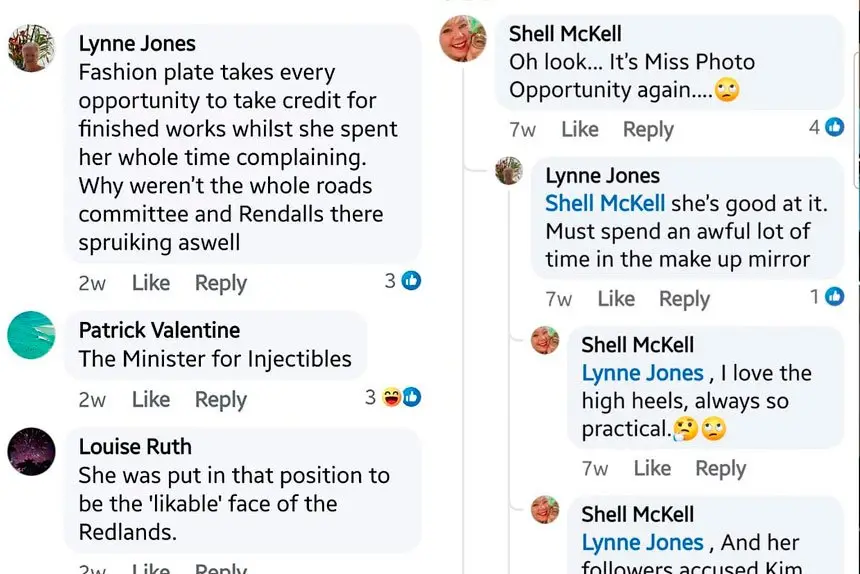
During Bullying, No Way! Week, Redlands MP Rebecca Young spoke about the personal attacks she has faced – from mocking her wardrobe to being labelled “The Minister for Injectibles.”
Such comments highlight a wider problem: the persistence of bullying that extends well beyond the schoolyard and into adult life, particularly for women in leadership roles.
Reducing a politician to their appearance or making personal jabs does nothing to advance genuine discussion about policy or community priorities.

This paper will continue to hold Mrs Young, like all politicians, accountable for promises made and outcomes delivered.
But accountability must be grounded in fair scrutiny of policies and performance – not cheap insults.
The wider issue here is one of culture.
When community leaders, including our Mayor, are targeted over their looks or clothes or demeaned with sexist taunts, it undermines healthy democratic debate.
It also sends a message to younger generations that bullying is acceptable in certain contexts – when it never should be.
The impact of this behaviour goes further than bruised feelings.
Research shows online abuse discourages women from entering public life, silences diverse voices, and contributes to a toxic political environment.
If left unchecked, it risks narrowing the field of representation and weakening democracy itself.
It emboldens the worst elements of public commentary.
When cheap shots are normalised, constructive debate is drowned out by noise, making it harder for voters to cut through to the issues that affect their everyday lives.
This kind of discourse doesn’t just diminish individuals – it diminishes communities.
That is why calling out bullying and abuse matters.
It is not about silencing criticism but about drawing a line between fair scrutiny and behaviour that crosses into harassment.
Politicians should expect tough questions and strong debate, but they – like anyone else – deserve a basic level of respect.
The focus should remain on results for the community, not ridicule.
Politicians of all stripes should be assessed on their ability to deliver on housing, infrastructure, services, and economic opportunity, rather than being dragged into the mire of personal attacks.
Standing against bullying, whether in schools, workplaces, or politics, is a responsibility we all share.