
REDLANDS Coast is facing a challenge, with nearly 8000 tonnes of waste and recyclables being placed in the wrong kerbside bins each year.
To address this, a range of new programs and initiatives have been introduced to help residents better manage their waste and recycling.
Waste and Recycling Portfolio Councillor Tracey Huges said supporting residents in better organising their waste and recycling was vital to curb rising disposal costs and help the community meet its waste and recycling targets.
“The long-term goal is to become a zero-waste society by 2050, which will require everyone in our community to ensure they are recycling as much as possible and reducing the amount of waste being generated in their households,” Cr Huges said.

She highlighted multiple reasons for focusing on lowering waste sent to landfill.
“There are several reasons we need to focus on lowering waste to landfill, with the most pressing being a need to reduce impacts on the environment, mitigate rising waste disposal costs, and boost the circular economy,” she said.
Despite progress, Council statistics show a significant number of recyclable materials like paper, cardboard, and hard plastics are still ending up in the red-lid bins destined for landfill.
To address this, Council recently secured funding from the Queensland Government through the Let’s Get it Sorted Partnership Program, launching a new education initiative to improve waste and recycling habits.
“This initiative is now under way in parts of the city and involves contracted recycling educators checking recycling bins on the kerbside and providing feedback on a household’s recycling efforts,” Cr Huges said.
“Residents may see a yellow tag attached to their recycling bin with information on what can and cannot be placed in yellow-lid bins and a star rating for the quality of their recycling.”
Council also offers a range of resources online and plans to send information to households throughout the year to support better waste management.
“This includes a recycling guide with advice on what items go in each bin, as well as other tips to help our community recycle more often,” Cr Huges said.
Residents can also opt for a larger recycling bin through Council’s flexible bin menu, which allows an upgrade to a 340-litre bin – the largest size available – for a one-off establishment fee.
“This initiative, coupled with Council’s online resources and information, can help you cut back your household waste and increase your recycling output virtually overnight,” Cr Huges said.
She offered a simple guideline for recycling.
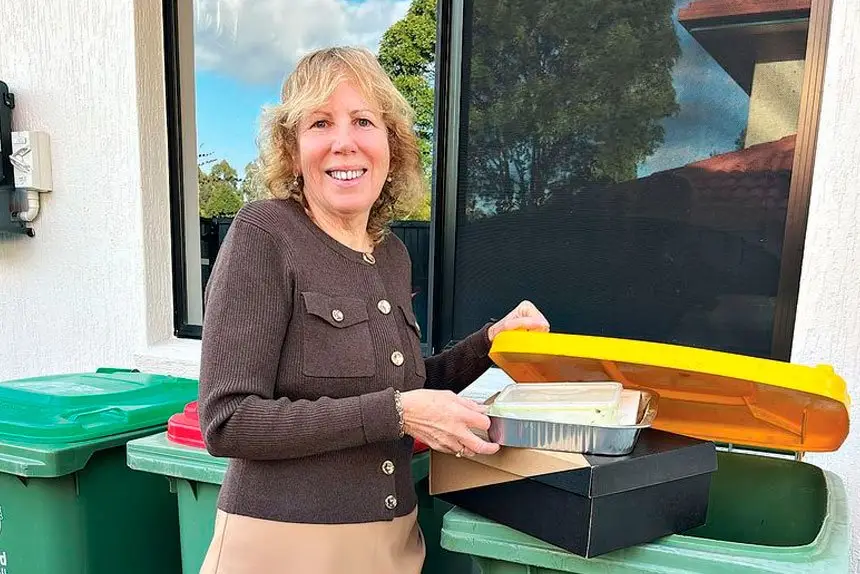
“A general rule of thumb to follow when recycling is that if an item is hard plastic, paper, cardboard, aluminium or steel and is packaging from your kitchen, laundry or bathroom, it can be recycled,” she said.
Council also warned residents to avoid placing hazardous items like batteries, flares, hot ash, gas bottles, and volatile substances in any bin.
“Please check the hazardous waste page on Council’s website for further information, including disposal locations for these items,” Cr Huges said.
Other ongoing initiatives to improve community waste management include compost bin subsidies, solar-powered bins in parks and reserves, and affordable green waste bins available through the better bin bundle program.
Top tips for improving your recycling and cutting down waste to landfill:
- Keep it loose: Don’t bag your recycling. Instead, consider keeping a reusable box, bin or tub near the waste bin in your home to collect your household recyclables.
- Watch out for soft plastics: Items such as bubble wrap, cling film, chip packets, plastic bread bags, chocolate wrappers, cereal liners, and plastic shopping bags are unable to be recycled and should be placed in your general waste bin.
- Get more recycling space: Upgrade to a larger recycling bin for a one-off establishment fee. Contact Council on 3829 8999 or visit the website to learn more about getting the right bin combination to meet your needs.
- If in doubt, check: Did you know that alfoil, aluminium trays, and empty aerosol cans can all go in your recycling bin? Search Council’s A-Z recycling guide or Recycle Mate at redland.qld.gov.au/recycling to brush up on your recycling and waste basics.
- Empty your food containers, cans, bottles and jars: Don’t waste a tuna can, yoghurt tub or sauce jar because it’s dirty. You only need to empty any remaining food or drink before recycling. Some food residue is fine. If you like, you can give the item a quick rinse or wipe to keep your bin clean but it’s not a must.