
ACROSS Queensland, more families are choosing to live together under one roof.
It’s not just about saving money, although that’s a big part of it. It’s about support, practicality, and creating a home that actually works for how people live today.
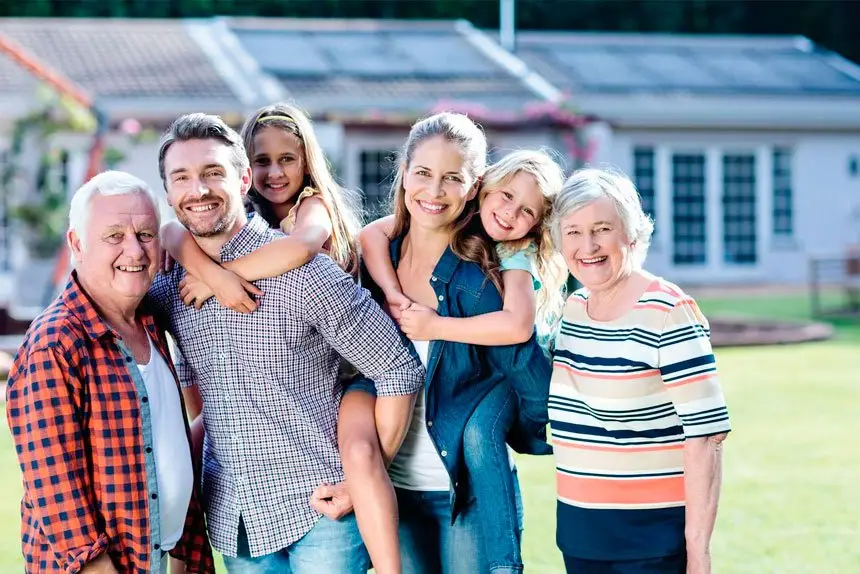
Multi-generational living – where parents, adult children, grandparents, or even extended family share a home – is on the rise. These aren’t just overcrowded houses. They’re purpose-built or cleverly renovated homes with separate living zones, self-contained granny flats, and private entrances. It’s about maintaining independence while sharing a life.
This shift isn’t just a trend – it’s a response. A response to rising housing costs, the realities of ageing, the challenges young people face, and the need for more flexible living arrangements. Since Covid, the idea of living close to family became more than comforting – it became smart. People realised they could work from home, care for each other, and create built-in support systems that just made life easier.

It’s also increasingly about practicality. Teens and young adults are staying at home much longer than they used to, unable to afford rent or save for a deposit.
That means homes need more than just extra bedrooms – they need flexible spaces, smart car parking solutions, and functional designs that allow for more vehicles and personal space.
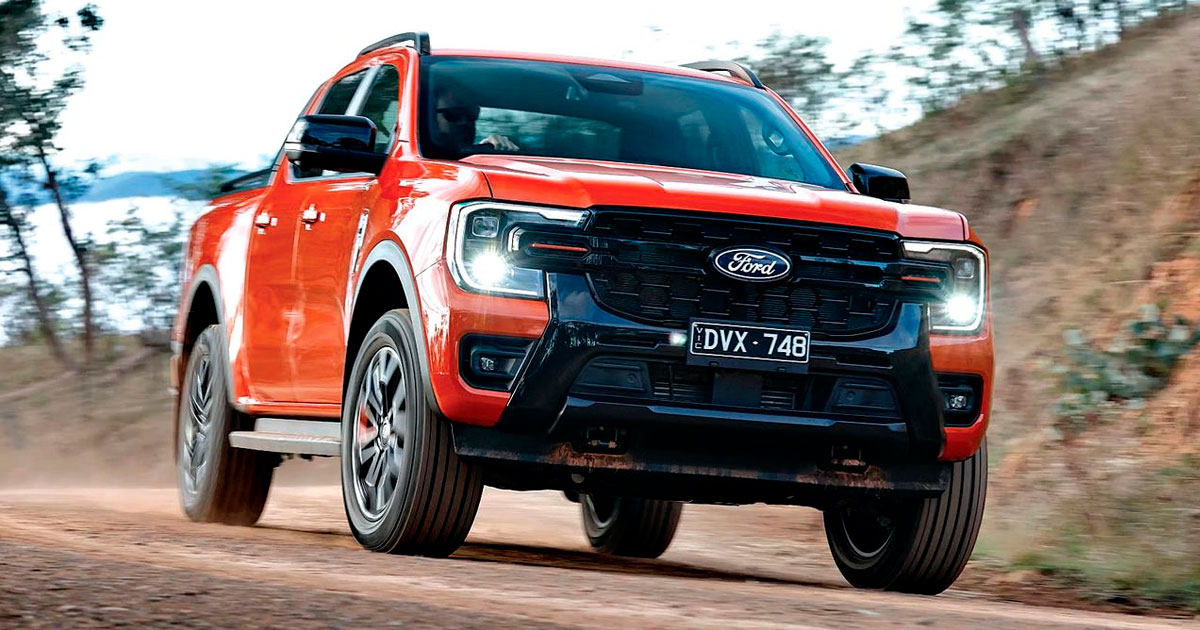
Families are juggling three or more cars in one household, and suburban driveways are starting to look more like city car parks.
Meanwhile, older generations are facing a shortage of single-level homes for downsizing. The lack of accessible, age-friendly housing options makes it harder for older people to move out – further tightening supply.
That competition for smaller, separate homes is another reason families are turning to multi-generational living as a win-win solution.
In the Redlands, demand for homes with granny flats, studio units, or space to extend is growing.
Builders are stepping up with tailored designs, and buyers are thinking long-term – whether it’s supporting ageing parents or giving teens the space they need to grow.
These types of homes don’t just solve one problem – they address several. They reduce pressure on rental markets, help families stay connected, and offer practical solutions for a changing population.
The modern family home is no longer one-size-fits-all. It needs to work harder, stretch further, and grow with the people inside it.
In a region like Redlands – where lifestyle, land, and family still matter –multi-generational homes are more than a smart solution.
They’re a reflection of how we’re learning to live better, together.