
IN a bid to strengthen the sustainability of freshwater fisheries, Fisheries Queensland has announced updated policies and standards for its fish-stocking program, aiming to improve the quality and genetic diversity of fingerlings released into the state’s dams, rivers, and weirs.
The program, which is supported by the Stocked Impoundment Permit Scheme, marks a significant milestone in 2025, celebrating 25 years of success.
It creates valuable opportunities for Queenslanders to engage in recreational fishing, whether for sport, relaxation, or food.
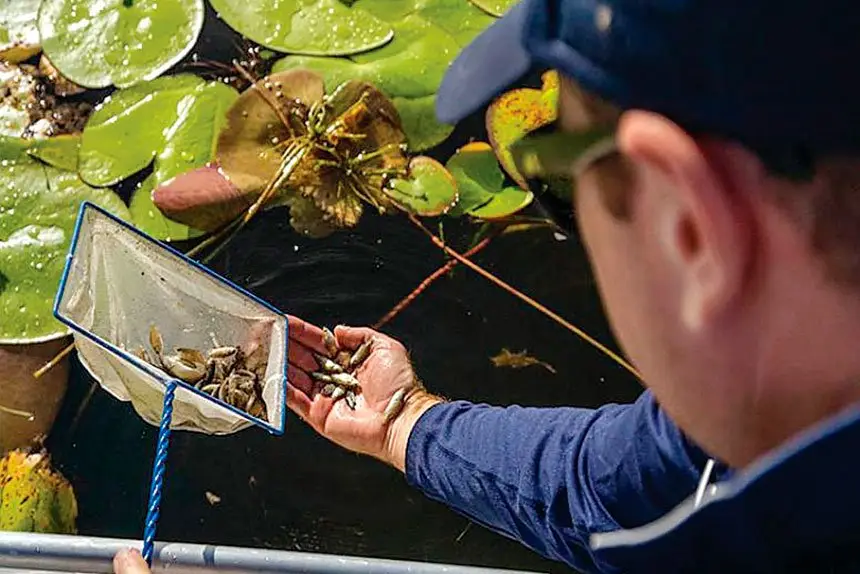
Each year, over three million fingerlings are stocked across Queensland by dedicated community stocking groups.

The initiative also plays a vital role in the recovery of species that have been pushed to the brink of extinction, such as the iconic Mary River cod.
This species holds immense cultural significance for the Butchulla, Kabi Kabi, and Jinibara First Nations communities.
To protect wild fish populations and enhance fishing experiences, Fisheries Queensland has developed an updated broodstock policy and new hatchery standards.
These updates aim to address potential risks, such as the introduction of pests and diseases, and concerns regarding the genetic fitness of stocked populations.
The new management standards were created after extensive consultation with various stakeholders, including the freshwater fisheries working group, community stocking groups, the Aquaculture Association of Queensland, and several Queensland hatcheries.
Freshwater Fishing and Stocking Association of Queensland (FFSAQ) President Charlie Ladd expressed support for the updates.
“Stocking Australian native fish helps restore our freshwater fisheries and provides opportunities for Queenslanders to get off their screens and into their tackle boxes to fish our amazing waterways,” he said.
“Queensland’s fish-stocking program is supported by over 70 volunteer community groups, and the new hatchery standards and broodstock policy will provide confidence that the fingerlings they receive each stocking season are of the highest quality. This will ensure the best possible rate of fingerlings growing into mature fish, setting us up to grow a world’s best-practice fish-stocking program and provide social, economic and environmental benefits to regional communities across Queensland.”
Fisheries Queensland Executive Director Dallas D’Silva highlighted the significance of the Stocked Impoundment Permit Scheme’s growth over the past 25 years.
“The Stocked Impoundment Permit Scheme has seen a fingerling idea grow into a fish-stocking success story 25 years later – these proposed updates will continue to support the ongoing viability and future expansion of fish stocking in Queensland,” he said.
“We have looked to the success of other quality assurance schemes and these new hatchery standards provide clear guidance for Queensland hatcheries and stocking groups – improving the traceability and genetic diversity of stocked fish, and the continuing management of pests and diseases.
“The updates to the broodstock and culture stock collection policy address genetic variability in Queensland’s stocked fisheries and improve clarity and consistency for industry.”
Queensland’s fish-stocking program continues to evolve, ensuring the long-term sustainability of its freshwater ecosystems.
Fisheries Queensland is now seeking feedback from the public on the draft policy and hatchery standards.
Submissions are open until 5 pm on Friday, May 2, and can be made via the eHub page dedicated to the broodstock collection policy and hatchery standards.