
LOTA is a suburb with a rich history dating back to the mid-1800s.
From its original inhabitants, the Quandamooka people, to its role in the development of Moreton Bay, Lota’s past is intertwined with the growth and transformation of the region.
Before European settlement, the area now known as Lota was home to the Mipirimm subclan of the Quandamooka people.
The Quandamooka referred to this area as Narlung, meaning “place of long shadows”, a name that evokes the natural beauty and the deep cultural connection to the land.

The name ningi ningi, meaning “oysters”, was also associated with the area around Lota Creek, a key feature of the suburb’s landscape.
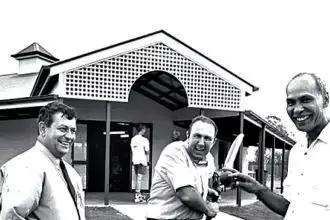
In the 1860s, Irish-born politician and pastoralist William Duckett White (pictured) acquired land in the region.
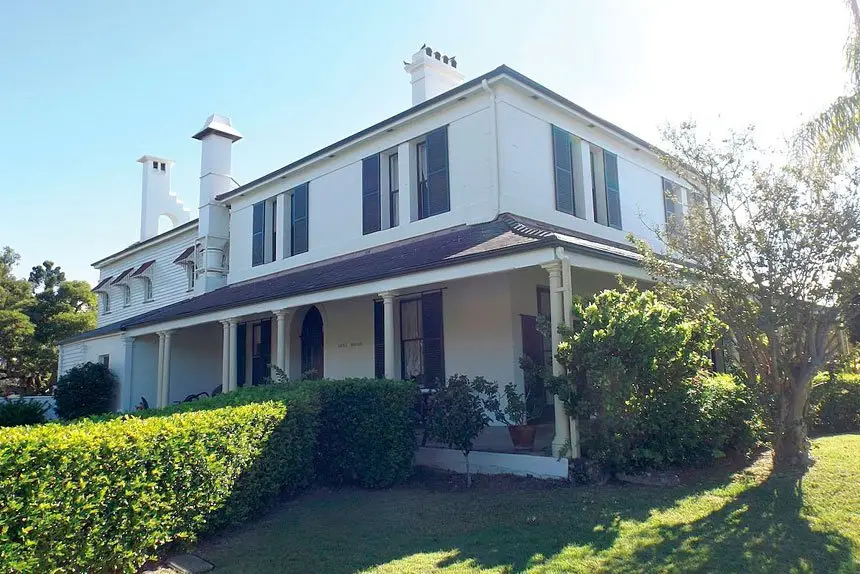
His residence, Lota House, built in 1863, gave the suburb its name and became the heart of a prosperous estate.
White, in partnership with the first Queensland Premier, Robert Herbert, developed the land into a productive agricultural property, growing sugar cane and orchards.
Aboriginal and South Sea Islander workers were integral to the estate’s operations, with camps established west of Lota House.
The first major division of White’s land took place in 1911, and Lota’s suburban expansion began.
The Lota Park Estate to the west was sold in 1918, and by the 1920s, the area saw the establishment of churches, schools, and community buildings.
The Presbyterian Sunday School, founded in 1918 by Mrs Alice Rix, was among the first of its kind in the area.
The Rix-Farmer Memorial Presbyterian Church, opened in 1931, remains a prominent landmark in the suburb today.
The railway also played a critical role in Lota’s development. The first Cleveland railway line passed through Lota in 1889, providing a vital transport link to Brisbane.
However, the line was closed in 1960, with Lota becoming the terminus until the line was gradually reopened between 1983 and 1987.
During the Great Depression of the 1930s, the suburb saw significant public works projects.
Relief work led to the reclamation of land along the Esplanade and the construction of Lota’s seawall, which still stands today.
These projects helped to shape the coastal landscape that is now synonymous with the suburb.
By the mid-20th century, Lota continued to grow, with the opening of Lota State School in 1952 marking another milestone in its development.
The school, which is still operational today, has become an essential part of the local community.
In the 1950s and 60s, as the suburb expanded, so did its recreational opportunities.
The Bayside United Sports and Recreation Club opened in 1954, providing a space for children and adults alike to enjoy sports such as soccer and badminton.
Over the years, local sports clubs, including the Bayside United Football Club, have remained an important part of Lota’s identity.
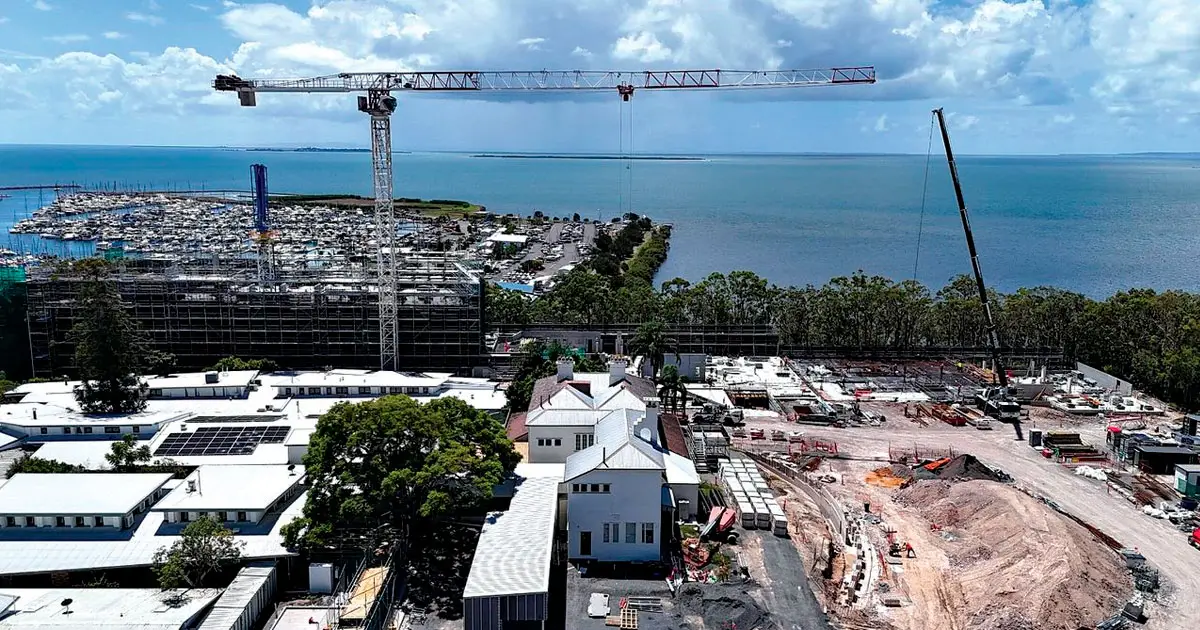
Today, Lota is a peaceful Bayside suburb that retains much of its historical charm while embracing modern development.
The suburb has seen a rise in beachside properties, although many of its heritage sites, including Lota House and the Rix-Farmer Memorial Presbyterian Church, continue to draw interest for their historical significance.
Lota’s demographics have shifted over the years, but its sense of community remains strong.
In the 2021 census, the suburb’s population stood at 3518, and it continues to attract residents for its scenic location, local amenities, and proximity to Moreton Bay.
With its blend of nature, history, and modern amenities, Lota is a unique part of Brisbane’s bayside history.