
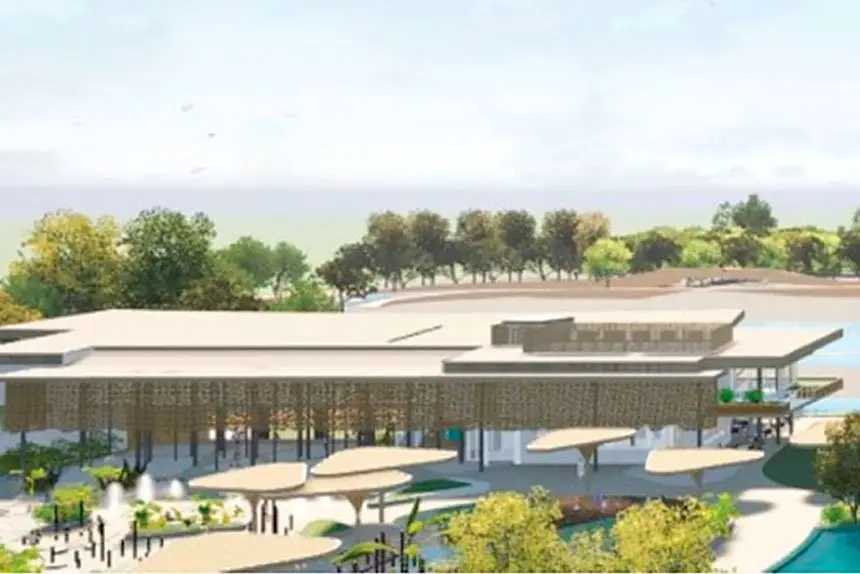
THERE’S no doubting that the proposed Redland Whitewater Centre (RWC) is an exciting and ambitious project.
However, there are several challenges to be addressed for the project to move forward.
Approval from both the State and Federal Governments is holding up the release of critical details about the venue’s financial sustainability and environmental impact.
Understandably, this has led to frustration, particularly among the local community seeking clarity and transparency about the project’s future.

However, it’s important to debunk several myths.
One of the major misconceptions about the RWC is that it will require clearing pristine bushland or koala wildlife habitat. This is not the case.
The centre will be located on about 18 per cent of the 26-hectare core parkland within Birkdale Community Precinct.
The area designated for the RWC has already been cleared for over 60 years.
Additionally, concerns about environmental impacts should be eased by the expert environmental evidence that confirms the venue will not pose a meaningful risk to water quality, wildlife, or local amenity.
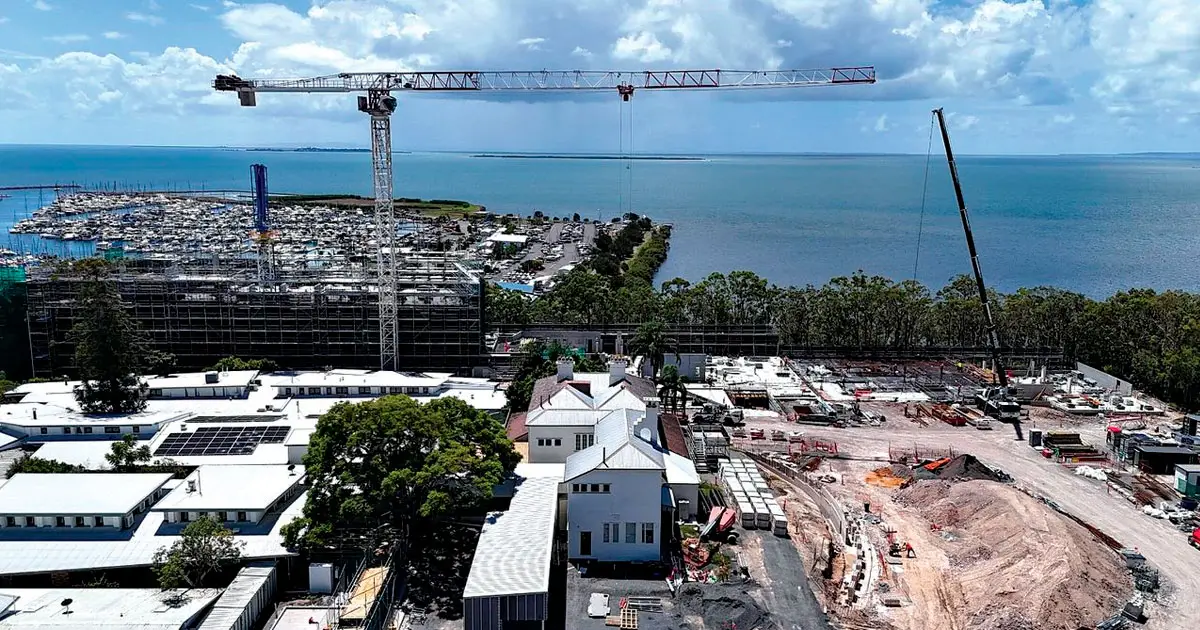
Another key aspect of the development is encompassing the broader Birkdale Community Precinct (BCP), which includes other sites like Willards Farm, the amphitheatre, and the WWII communications building.
While the RWC will require infrastructure improvements such as roads, parking, and access points, these upgrades will benefit the entire precinct.
This distinction is crucial for addressing some of the misunderstandings among critics who believe that these improvements are solely for the RWC.
Concerns about the financial burden on ratepayers also need to be alleviated.
In contrast to other venues like Penrith, which faced significant financial challenges, the design and financial assumptions of the RWC are very different.
People make comparisons to Penrith without considering key factors like its seasonal 2-3 month closure each year due to winter, the distance from major transport hubs, and its hour-long travel time to both Sydney and the airport.
Redlands overcomes all three of these hurdles.
The figures underpinning the RWC have been independently reviewed twice, and they are solid and conservative.
The RWC will be one of several facilities and activities planned for the BCP that will generate commercial revenue.
While the precinct’s heritage-listed areas such as Willards Farm and its outbuildings, and the World War II Radio Receiving Station face some restrictions around commercial operations, ancillary facilities are planned for outside these areas, such as spaces to be hired for functions, events and weddings.
The Master Plan for BCP also details many other commercial facilities planned for the precinct including cafes, restaurants, outdoor entertainment venues and function centre.
The RWC will not only serve the Olympic and Paralympic Games but will also support year-round operations, with high-performance training for paddling athletes and swift water training for emergency services personnel.
These activities will help ensure the RWC’s long-term sustainability and provide strong economic returns.
Clear and transparent communication is key to addressing community opposition.
Misinformation – especially on social media – needs to be dispelled, and honest discussions should take place with the community about the financial considerations of the project.
Ultimately, patience, planning, and collaboration will be essential for realising the full potential of the RWC and the broader precinct.