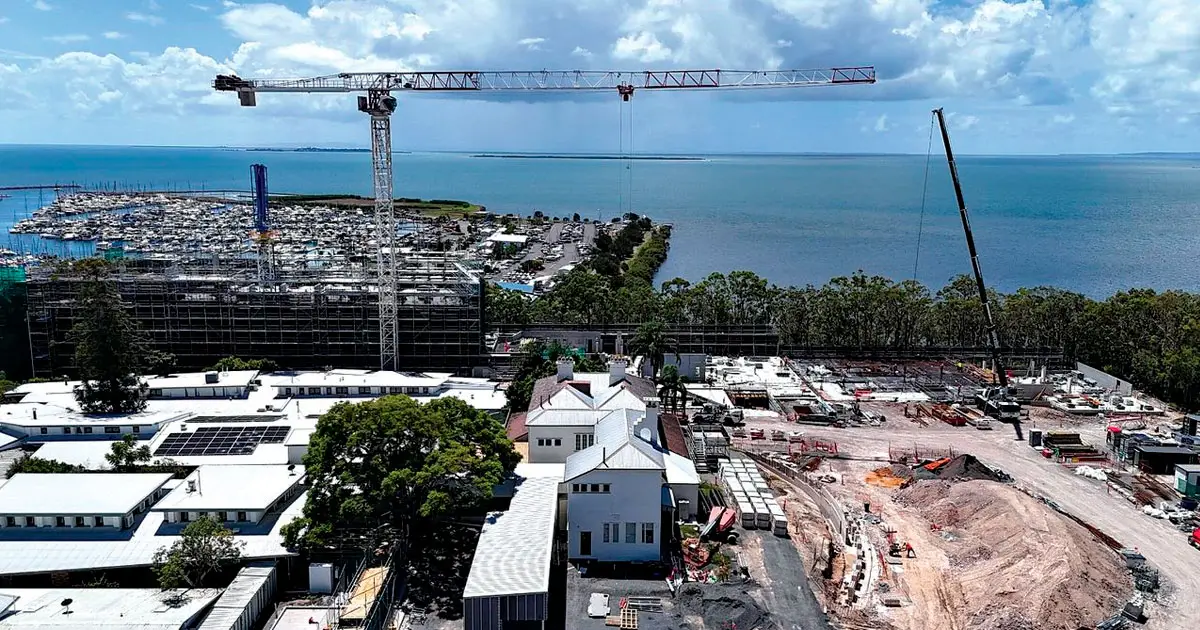

THE RAPID growth of the Redlands and Bayside region is putting pressure on existing infrastructure, making federal investment in critical projects a crucial necessity for maintaining the area’s quality of life and supporting future development.
Local leaders, including Cr Peter Mitchell from Redland City Council, have emphasised the importance of a strategic, coordinated approach to infrastructure development across all levels of government.
With the population set to rise significantly, leaders argue that a comprehensive Redlands Infrastructure City Deal is essential.
This deal would involve collaboration between federal, state, and local governments to fund key infrastructure projects, ensuring vital services can meet population demands.

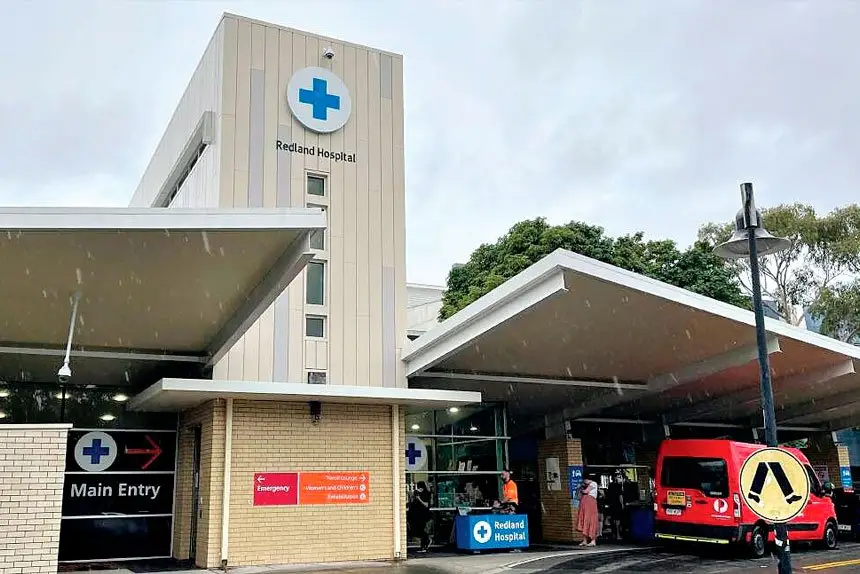
One of the key areas identified for investment is healthcare, with a focus on Redland Hospital.
Federal Members for Bowman Henry Pike and Oodgeroo Amanda Stoker are advocating for increased federal funding to upgrade the hospital, especially as it strives to meet the needs of the growing community.
Mr Pike also highlighted the importance of addressing housing supply issues.
“The Coalition is determined to restore the dream of home ownership in the Redlands by boosting housing supply,” he said.
“At the moment, delays in the delivery of infrastructure to new housing sites has further exacerbated housing supply issues here and across the country.”
If re-elected, Mr Pike committed to a significant investment.
“The Coalition will invest $5 billion to fund essential shovel-ready infrastructure projects like water, power and sewerage through the Housing Infrastructure Programme (HIP),” he said.
“This will help to swiftly unlock 500,000 new homes across the country through a mixture of grants and concessional loans.”
He also pointed out that there are greenfield sites in the Redlands ready for development but have been delayed due to a lack of funding for enabling infrastructure.
“There are greenfield sites across the Redlands ready for development, that have the required planning approvals, but progress has been stalled,” Mr Pike said.
“The Coalition’s approach is focussed on investing in enabling infrastructure to unlock the supply of shovel-ready new housing developments.
“The Coalition will also freeze red tape, letting builders get on with the job of building more homes for Redlanders.”
Meanwhile, Federal Member for Bonner Ross Vasta wants to see cost-of-living relief across the board, including by creating more affordable housing by funding critical infrastructure and restricting homes being bought by foreign investors.
“The great Australian dream of home ownership should be a priority of the Government, and it is disappointing to hear so many people feeling that owning a home is unattainable,” he said.
“Critical infrastructure projects such as the Lindum level crossing safety upgrade and train tunnel to the port to relieve Bayside truck traffic are vital to improving our quality of life.
“I want to see locals home sooner and safer, to spend more time with the people they love, doing things they care about.”
Another area of focus is sustainable development.
Local councils are keen to balance growth with environmental sustainability, pushing for investments in digital connectivity and public transportation.
The Northern Greenway project, which would create a network of pedestrian and cycle paths, is a prime example of this vision, promoting healthier lifestyles and reducing reliance on cars.
Ultimately, federal investment is viewed as essential for ensuring that infrastructure keeps pace with growth, safeguarding both the liveability of the region and its long-term sustainability.
Without this support, the region risks facing overcrowding, traffic issues, and inadequate services, all of which could impact its reputation as a desirable place to live.
Labor candidate for Bonner Kara Cook said that to make housing more affordable, it was clear that more homes must be built.
“That’s why we have an ambitious goal of building 1.2 million homes by the end of the decade,” she said.