

About the middle of last year, this column explored the use of words and how we use them to effectively communicate to others our thoughts and intentions.
The average person knows between 20,000 and 40,000 words, and we often know the meaning of such words – constructing a sentence in such a way that others may understand what it is we want to communicate with them about.
It’s truly marvellous that we have this means of communication, this method, available to us.
In some movies there exists language that for some is never used in daily conversation.

Yet there are writers thinking that this shock language is something we all want to hear, so often a good movie is spoilt using those words.
We often put up with this language because it’s a movie we like. A movie is often considered good even when it includes words we rarely use.
As seniors get older, our choice of words to communicate get sharper and have more meaning. We use meaningful words to express ourselves, to show others what our thoughts are, and we also know the difference between words.
What do you say to a friend struggling to find the right words?
It is said that the English language is hard to understand, not so much for the words, but as to their actual meaning and tone, especially when words like there, their, they’re all sound the same when spoken.
Yet here we are, masters of our own language, knowing all these meanings, tone, and how to spell
them.
On the internet there is a daily game called
WORDLE, where those wishing to improve their knowledge, can get their daily dose in the use of words to improve their vocabulary.
Often pitting their knowledge of words with one another daily.
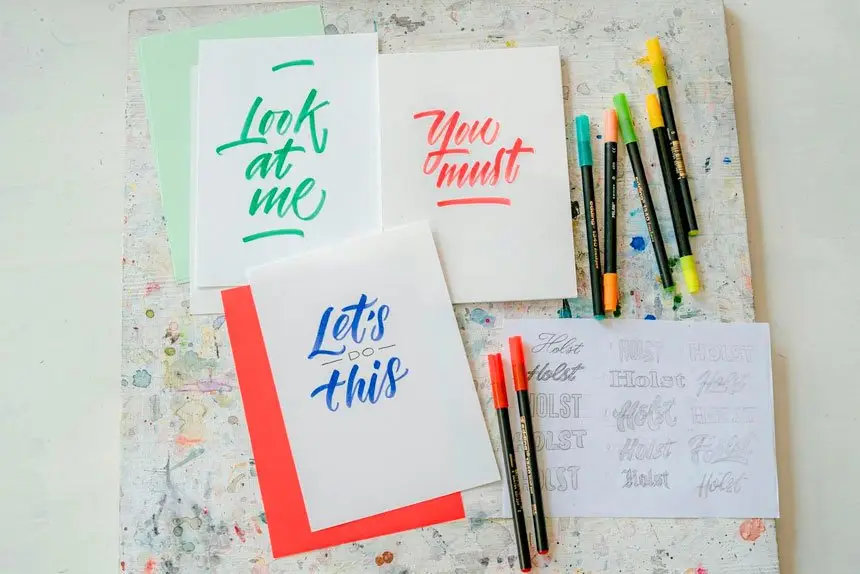
There is an art in your expression of words. An art form that allows one to show appreciation, show love, feelings.
Even when we get older, these gestures grow with us and become more meaningful as time goes by.
When we send a card, do we add that little something, a written gesture that shows how we feel currently. Or do we just say who it’s from and let the written words express our thoughts.
What extra value would that give to the recipient, to have your real thoughts expressed on the card in a meaningful way.
Is a short letter better than a card to send to someone you know?
Would they appreciate it more than just a card. Do you keep cards or letters?
Often, your words, in each situation, can add more meaning and clarity to any given situation.
Writing this column is thought provoking and it’s always a challenge to convey to the reader not only a story but a thought process, much different to a news item.
One realises that words can add meaning and can make a world of difference.