
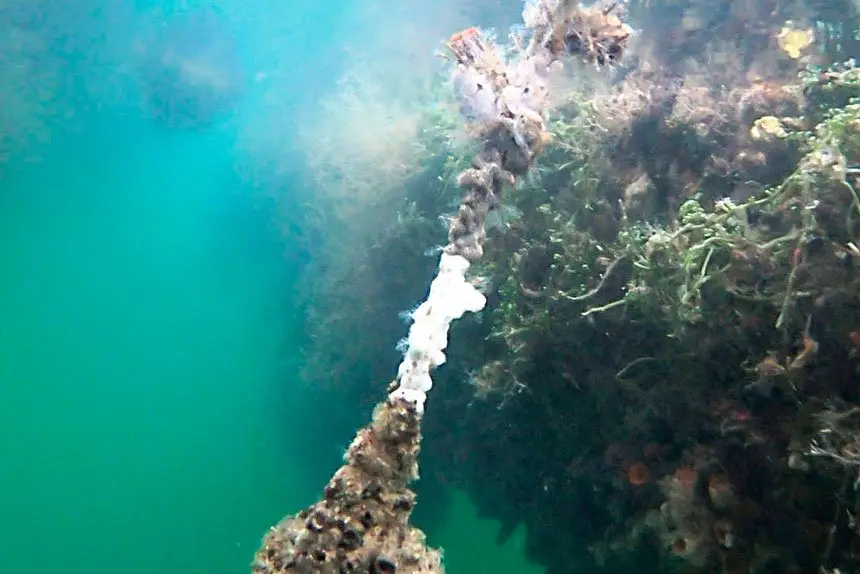
MARINE pests are introduced, invasive, non-native plants and animals that cause damage to the health of the native marine environment.
They often reproduce quickly, in large numbers and can spread rapidly.
Once established, they are difficult to eradicate and can kill or out-compete native plants and animals for space and food.
They can damage boat hulls, increase drag and fuel costs, and foul marine structures leading to increased maintenance costs.

They can also impact widely on marine industries including ports and marinas, the commercial and recreational fishing industry and can lead to boating and fishing restrictions in affected areas.
Queensland is currently free from invasive marine pests, and keeping Queensland’s marine environment pest-free is a priority for Biosecurity Queensland.
Protecting Queensland’s marine ecosystems from pests should also be a priority for anyone who uses or enjoys the marine environment.
The most effective way to minimise the impact of marine pests is to prevent them from arriving.
Early detection and response is the best chance we have to successfully contain and manage marine pests and protect our marine environment, key marine industries including, ports, marinas, commercial fisheries, tourism and aquaculture and our way of life.
MARINE BIOSECURITY –EVERYONE PLAYS A PART
Biosecurity is a shared responsibility, which is why Biosecurity Queensland is asking users of Queensland’s marine environment to keep an eye out and report suspected marine pests.
This will help protect Queensland’s marine biodiversity and minimise the risk of pests establishing in Queensland’s marine environment.
Seven invasive pest species with the highest chance of arriving and establishing in Queensland waters have been identified.
Everyone can do their bit to report suspected marine pests and respond quickly before they spread.
LOOK/REPORT/PROTECT
Look
Look around and keep an eye out. If you see or suspect a pest plant or animal, report it.
Report
If you see a suspected marine pest:
- Take a photo of the suspect marine plant or animal.
- Collect a sample if it is safe to do so. Biosecurity Queensland can advise you on how to collect, pack and send samples.
As a general rule:
- place the sample in a plastic container or bag such as a sandwich zip lock bag
- store the sample in the refrigerator or keep it on ice (do not freeze)
- contact Biosecurity Queensland on 13 25 23 about how to package a specific sample and where to send it for identification.
- Report the sighting online or phone 13 25 23.
Protect
Don’t introduce or spread pests. Marine pests can unknowingly be attached to your boat or in a ship’s ballast and be transported long distances. Surveillance and good maintenance will help minimise the threat.
More info: Marine Pests: Look—Report—Protect | Environment, land and water | Queensland Government