
WHEN you think of a children’s book, words like princesses and fairy tales often come to mind.
However, despite facing initial controversy, Tess Rowley’s children’s books, which tackle “hard to talk abou” topics, have been sold out worldwide within a week.
As a Bayside resident for more than 30 years, Tess started as a resource officer at the Queensland Centre for the Prevention of Child Abuse, where she was tasked with developing resources for parents on how to prevent child abuse.
“They wanted children’s books that could initiate conversations between children and adults, ones that were affordable and Australian-made,” she said.

Tess has since written a variety of books covering numerous topics, including Touches & Feelings, The I Can Kids, When Mum & Dad Talk, and the award-winning, Everyone’s Got a Bottom.
However, Tess said her greatest career challenge came from the ABC Learning Centre banning her book, Everyone’s Got a Bottom, and the controversy she faced after its publication.
“People were ringing up saying that children didn’t need to know about these topics,” she said.
“I was scared because I thought I was going to get sacked!”
Despite the initial controversy, Everyone’s Got a Bottom became an award-winning book after selling out within a week, with every bookstore in Australia eager to stock copies.
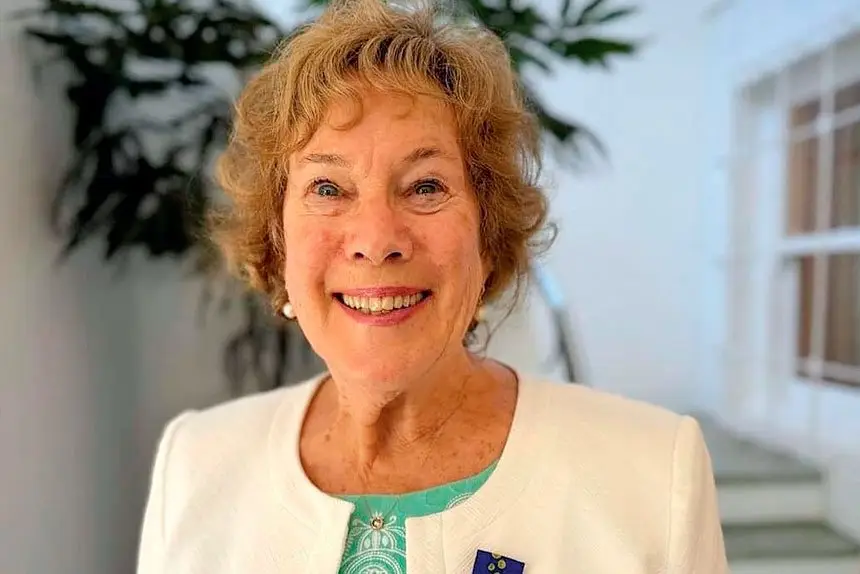
In recognition of her contributions through her various books, Tess was awarded an OAM in May at Government House.
“It’s a tremendous honour to get an award like that,” she said.
“There were only four women out of the 21 people, and I was very proud to be one of them.”
Tess expressed that the book she was most proud of was inspired by the tragic events surrounding the murder of a mother and her three children by her husband in Camp Hill.
“Part of the notion is that sometimes we need to let go of people and accept that they don’t have to be a lifelong friend,” she said.
From this, Tess published My Friend Gordon, a book where a child learns various aspects of friendship, including kindness, gentleness, helping, and knowing when to let go.
“The story centres around a rescue dog named Gordon, with a scene depicting his longing to play with the other dogs at the dog park,” she said.
“The little boy learns he has to let go and let Gordon play with his other friends.”
Looking ahead, Tess said she was working on a book on gender equity for the early age group.
“The book teaches children to be kind to others if they go against the traditional stereotypes,” she said.
“We’ve got dad in the kitchen cooking, mum playing football out the back, a little boy pirouetting who wants to be a dancer, and two ladies fishing with children on the pier.”