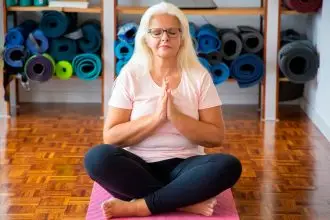


There are numerous meditation techniques, each with its own focus and benefits. Here, are three different types of meditation along with instructions on how to practice them:
- Mindfulness Meditation: Focus: Mindfulness meditation centers on being fully present in the moment, observing thoughts and sensations without judgment. Practice: a. Find a quiet space and sit or lie down comfortably. b. Close your eyes and bring attention to your breath. Notice the sensation of each inhale and exhale. c. Allow thoughts to come and go without attaching to them. If your mind wanders, gently bring your focus back to the breath. d. Gradually expand your awareness to include sensations in the body, sounds, and the environment. e. Practice for 10-20 minutes daily, gradually increasing the duration as you become more comfortable.
- Loving-Kindness Meditation (Metta): Focus: Metta meditation cultivates feelings of love and compassion towards oneself and others. Practice: a. Sit in a comfortable position with eyes closed. b. Begin by directing loving-kindness towards yourself. Repeat phrases like “May I be happy, may I be healthy, may I be safe, may I be at ease.” c. Extend these wishes to others, starting with loved ones, acquaintances, and eventually including all beings. d. Visualize sending waves of love and goodwill to each person or group. e. Practice for 10-15 minutes, adjusting the duration based on your preference.
- Transcendental Meditation (TM): Focus: TM involves the use of a mantra—a specific word or sound—to transcend ordinary thought and reach a state of deep inner silence. Practice: a. Sit comfortably with eyes closed. b. Repeat a mantra silently in your mind. Choose a word that holds personal significance or receive a mantra from a certified TM instructor. c. Allow the mantra to be repeated effortlessly, without force or concentration. d. If thoughts arise, gently return your attention to the mantra. e. Practice for 15-20 minutes, twice daily, in a quiet environment.
Tips for Meditation Practice:
- Start with short sessions and gradually increase duration as you become more comfortable.
- Be consistent. Regular practice is key to experiencing the full benefits of meditation.
- Experiment with different types of meditation to find what resonates best with you.
- Use guided meditation apps or recordings to assist you, especially if you’re a beginner.
- Consider joining meditation classes or groups for support and guidance.
Remember, the goal of meditation is not to eliminate thoughts but to cultivate a mindful awareness of them. Find the practice that aligns with your preferences and goals, and enjoy the journey of self-discovery and inner peace.