
WHAT’S happening on the other side of the world might feel far removed, but across the Redlands, the “ripple effect” is now a daily reality.
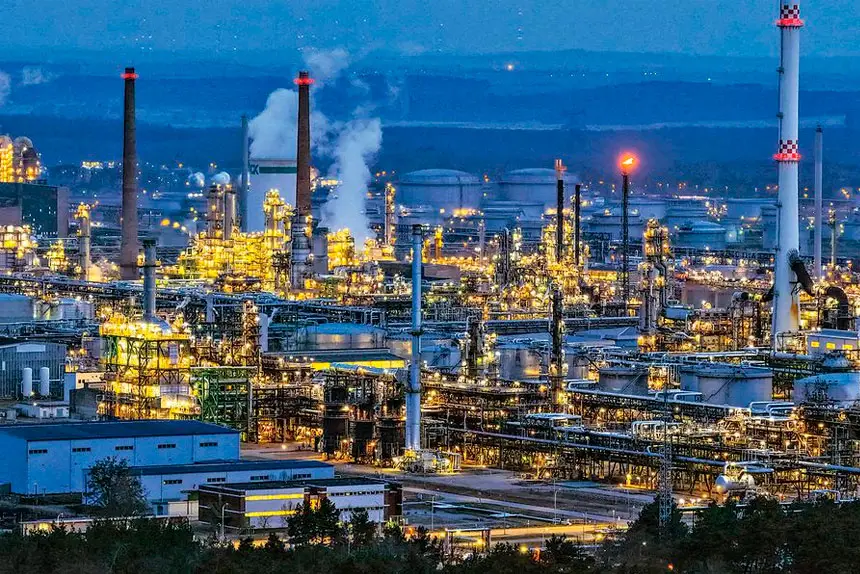
Global oil supply disruptions, particularly through the Strait of Hormuz, which handles 20 per cent of the world’s energy, have pushed crude prices towards US$110 to $120 per barrel.
Locally, this has seen diesel in South East Queensland climb towards $2.80 to $3 per litre.
For a region built on transport, construction, and logistics, the impact is immediate.

Local MP Henry Pike recently noted that 89 per cent of Redland businesses now expect significant input cost increases this year, signaling a challenging road ahead.
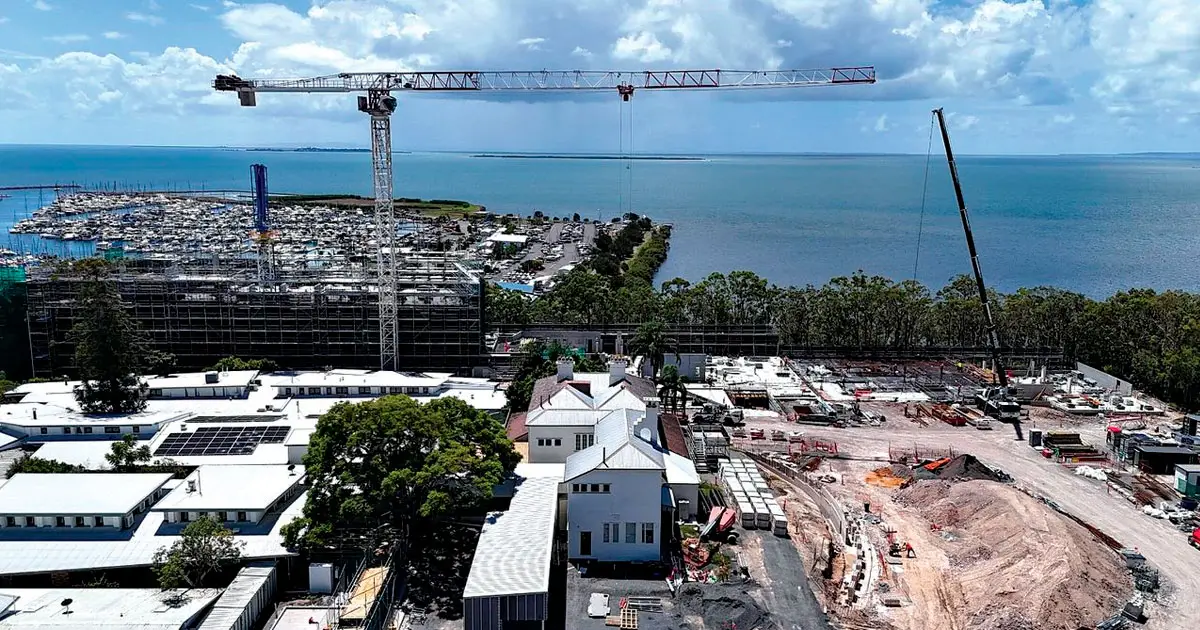
For our builders and tradies, the pressure isn’t just at the bowser; it’s in the materials.
- The petrochemical link: Essentials like PVC piping, electrical components, and insulation are oil derived. Prices have spiked by 20 to 30 per cent, alongside rising freight levies.
- The quote crisis: Financial certainty is disappearing. Many local contractors are now forced to limit quotes to 7 to 14 days to avoid absorbing sudden supplier surcharges.
- Housing supply: These costs flow directly into the property market. As construction becomes more expensive, projects are delayed or scaled back, tightening housing supply just as Redlands demand reaches record highs.
In our local cafes and restaurants, the pressure is often hidden behind the kitchen door.
The “cold chain”, the refrigerated logistics required to move fresh produce, is becoming a massive overhead as diesel and energy costs surge.
Furthermore, most takeaway packaging is oil-linked, increasing costs before a single meal is even prepared.
We are seeing a renewed push for Work from Home (WFH) arrangements to reduce national fuel demand.
While this offers relief to commuting households, it creates a “Covid-style” vacuum in our local business hubs and so is not ideal.
For some businesses that can accommodate this, and it works for them, it is a great pivot.
Crucially, global shocks take four to eight weeks to fully filter through into local retail pricing.
This means businesses are currently bracing for costs already “in the mail”.
Ultimately, the sooner the conflict subsides, the sooner stability can return, and we can begin to regain control over rising costs and supply pressures.