
REDLAND City Council is poised to adopt a sweeping new economic blueprint aimed at reshaping the city’s future, with Mayor Jos Mitchell declaring the region is ready to “lean into the opportunities” ahead.
The Redlands Coast Economic Development Strategy 2026–2031 will go before councillors next week, setting out a five-year roadmap designed to capitalise on population growth, industry expansion and major infrastructure investment expected to transform the region.
In a foreword to the strategy, Cr Mitchell said the plan reached beyond traditional economic measures.
“Economic resilience is not just about numbers on a page. It is about people — backing local businesses, enabling innovation, creating meaningful jobs close to home, and ensuring our young people can see a future for themselves here,” she said.

The strategy builds on what council describes as strong economic momentum, with a growing population, more than 12,800 businesses and expanding sectors such as health care, construction and professional services.
It outlines a coordinated approach focused on strengthening local enterprise, attracting new investment, diversifying industry, building workforce pathways and improving long-term governance and partnerships.
A central theme is the push toward higher-value industries to lift wages and productivity, with advanced manufacturing and professional and financial services identified alongside construction and the visitor economy as priority growth sectors.
While traditional industries like health care and retail will remain key employers, the strategy aims to expand “export-style” industries that bring new income into the region rather than relying solely on population-driven growth.
The plan also tackles one of the city’s long-standing economic challenges, with just 42.3 per cent of residents currently working within Redlands.
Council argues lifting that job self-containment rate is critical, both to strengthen the local economy and to ease congestion by reducing the need for residents to commute outside the city for work.
Attracting industries aligned to the skills of local workers, particularly in professional and technical fields, is seen as key to achieving that shift.
The region’s unique geography also features prominently, particularly Minjerribah/North Stradbroke Island and the Southern Moreton Bay Islands, where the strategy acknowledges barriers including transport costs, limited commercial space and workforce access.
Proposed responses include more flexible zoning, targeted procurement supporting island businesses and initiatives to boost local self-sufficiency.
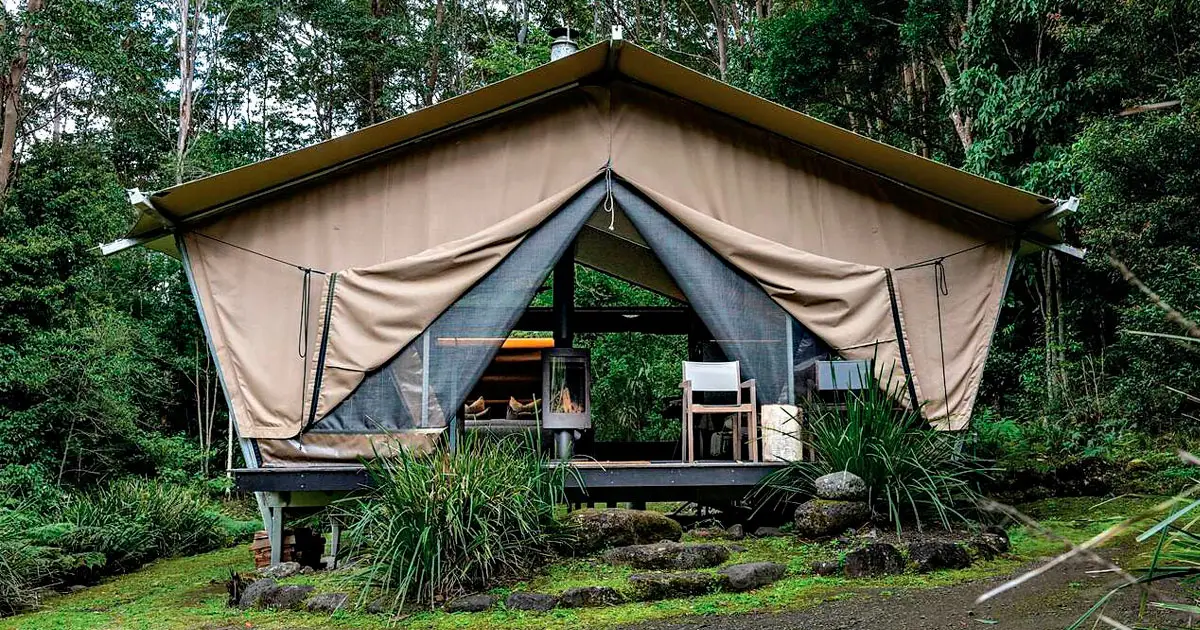
Tourism is another area flagged for growth, with the strategy finding the visitor economy remains underdeveloped despite the region’s natural assets and proximity to Brisbane.
Limited accommodation and supporting infrastructure are identified as constraints, with council aiming to transition Redlands from a day-trip destination to a higher-value, overnight tourism market.
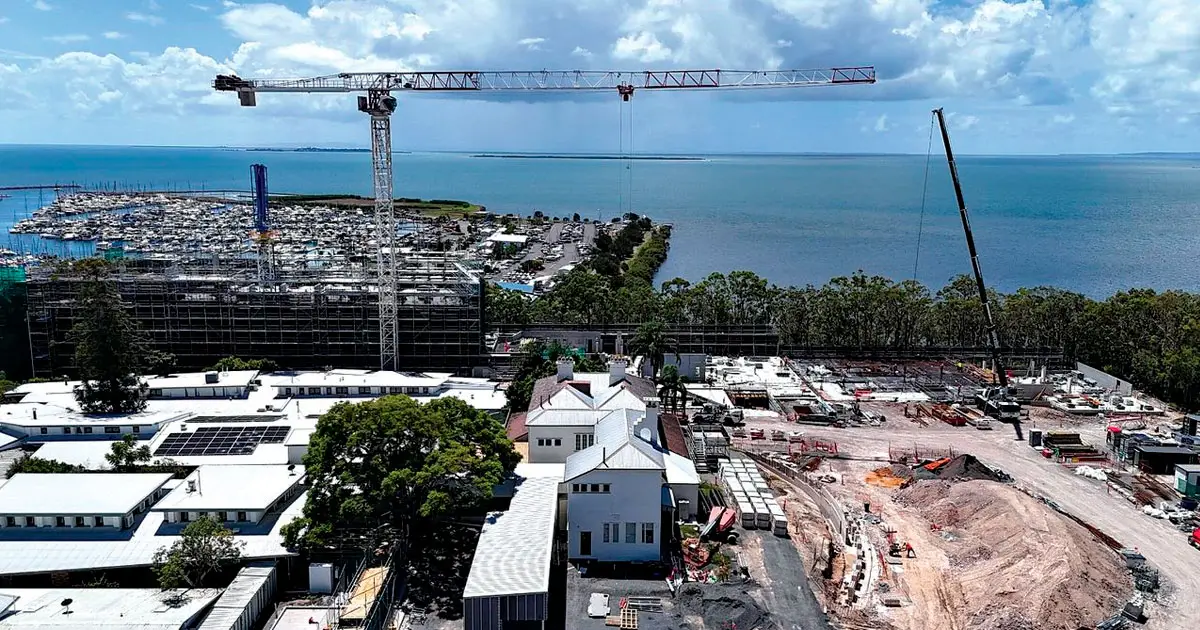
A series of major projects is expected to underpin the strategy, including the revitalisation of Capalaba town centre, renewal of the Cleveland CBD, the Weinam Creek redevelopment, upgrades at Toondah Harbour and the delivery of the Birkdale Community Precinct, which is linked to the Brisbane 2032 Olympic and Paralympic Games.
Council positions these projects as catalysts for investment, job creation and raising the city’s profile on a regional and national stage.
To measure progress, council plans to introduce a Redlands Coast Prosperity Index, tracking indicators such as job quality, skills development, investment levels and business activity.
The strategy will be supported by annual action plans and ongoing reporting to ensure it remains responsive as conditions change.
Council officers say the overarching goal is to balance economic growth with the lifestyle qualities that define the region, preserving its coastal character while building a more diverse and resilient economy.
If adopted, the strategy will guide Redlands’ economic direction through to 2031 as the city positions itself within one of Australia’s fastest-growing regions.