
AUSTRALIA Day celebrations in the Redlands and Bayside have long reflected the character of the bayside community — informal, local and centred on people rather than spectacle.
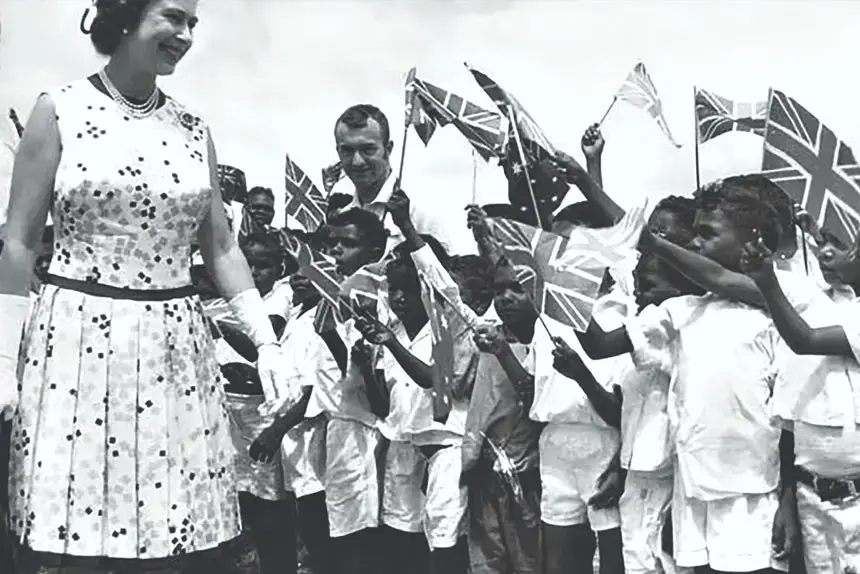
From the 1950s through to the 1980s, Australia Day was typically marked by modest gatherings rather than large-scale events.
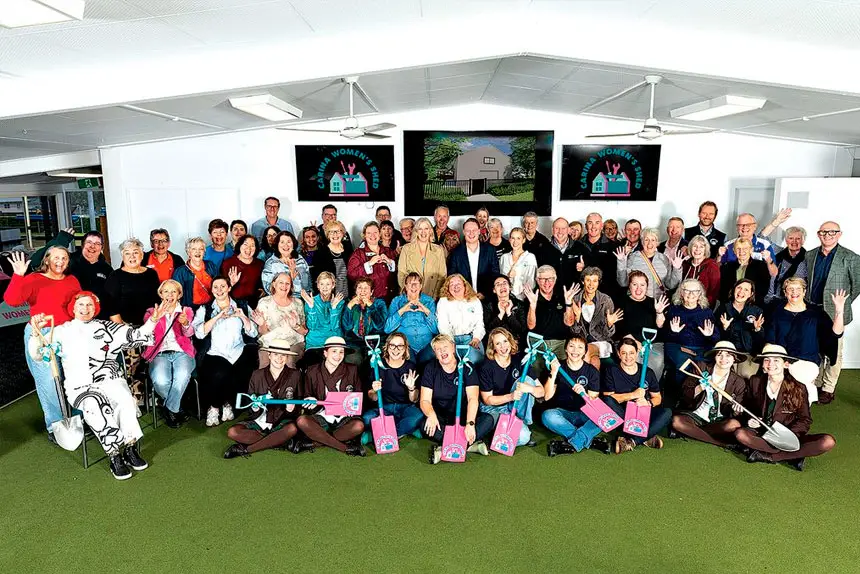
Community picnics, surf lifesaving carnivals, school and service club activities, and flag-raising ceremonies were common features, often organised by local councils, progress associations or volunteer groups.
Historical photographs show families gathered along the foreshore, children competing in novelty races and community leaders addressing small crowds — celebrations shaped by post-war optimism and a strong sense of neighbourhood connection.

In many cases, the day doubled as a chance for towns such as Cleveland, Redland Bay and the island communities to come together socially in an era before large regional events became the norm.
By the 1970s and 1980s, celebrations began to evolve alongside a growing population.
Citizenship ceremonies became a more prominent part of Australia Day observances, reflecting changing migration patterns and a broader understanding of national identity.
Local councils increasingly took a coordinating role, bringing together community groups, schools and service organisations under a single program of events.
In recent decades, Australia Day in the Redlands and Bayside has continued to change.
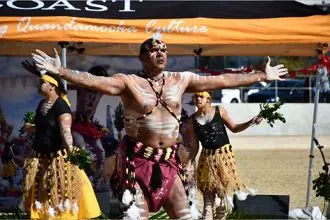
While community barbecues and award presentations remain central, there is now greater emphasis on inclusivity, recognition of Aboriginal and Torres Strait Islander heritage, and acknowledging the diverse ways people connect with the day.
What has remained constant is the local focus.
Then as now, Australia Day is less about scale and more about community — a day shaped by the people who live here, and the shared experiences that continue to define life in the Redlands and Bayside.